
Why Commercial Rolling Security Grilles Must Remain Unlocked During Occupancy
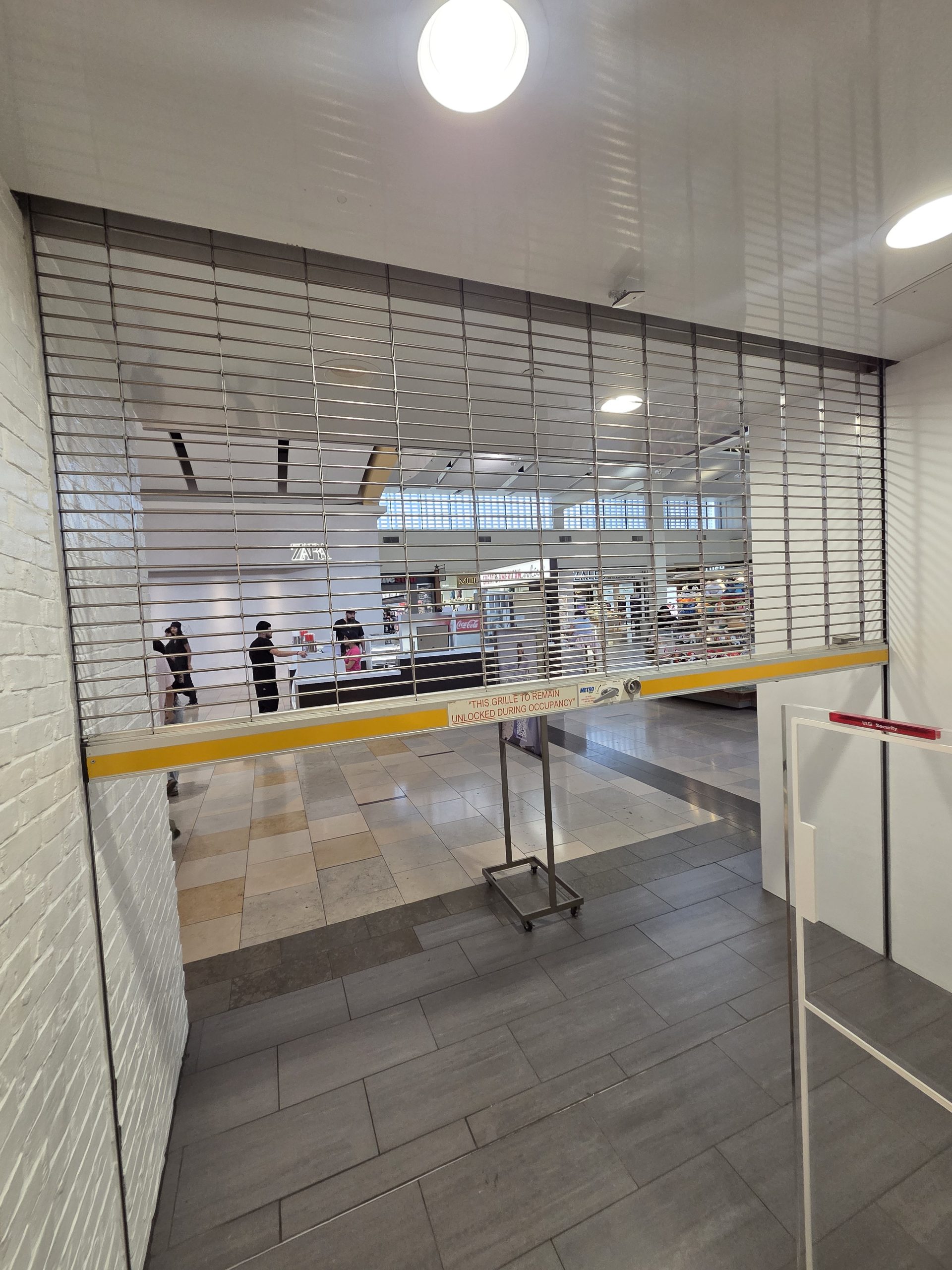
Commercial rolling security grilles, like the one pictured, are vital for property security but must remain unlocked during business occupancy. This critical safety regulation ensures unobstructed emergency egress, preventing entrapment and facilitating rapid evacuation in unforeseen circumstances. Non-compliance can lead to severe safety hazards, legal liabilities, and significant penalties, underscoring the necessity for proper operational protocols and regular maintenance by certified professionals.
In the bustling environment of a shopping mall, retail store, or any commercial establishment, security is paramount. Rolling security grilles serve as an effective barrier against theft and vandalism during non-business hours. However, their very presence introduces a critical safety consideration during operational hours: the necessity for them to remain unlocked and fully operational for emergency egress. The image provided clearly shows a commercial rolling security grille with a prominent warning sign: “THIS GRILLE TO REMAIN UNLOCKED DURING OCCUPANCY.” This isn’t just a suggestion; it’s a fundamental safety directive with significant implications.
The Critical “Unlocked During Occupancy” Rule
The directive for commercial security grilles to remain unlocked during occupancy is rooted deeply in fire safety codes and building regulations. These codes, often enforced by local authorities and organizations like the National Fire Protection Association (NFPA), are designed to protect occupants by ensuring clear and immediate exit paths in an emergency.
Why is it a Rule?
- Emergency Egress: The primary reason is to guarantee unobstructed emergency egress. In situations like a fire, active threat, or natural disaster, occupants need to be able to exit the building quickly and safely without encountering locked barriers. A locked grille, even if partially open, can create a bottleneck or trap individuals, leading to panic and potentially tragic outcomes.
- Preventing Entrapment: Should a grille malfunction or be accidentally lowered during business hours, it must not impede people from moving to safety. Keeping it unlocked ensures that even if power fails or the system experiences an issue, it can still be manually operated or bypassed for exit.
- Accessibility for Emergency Services: Unlocked grilles also facilitate access for first responders. Firefighters, paramedics, and police may need to enter the premises rapidly during an emergency, and locked grilles would hinder their critical operations.
Compliance and Penalties
Non-compliance with this safety rule carries severe consequences. Businesses found in violation can face substantial fines, legal liabilities in the event of injury or death, and even forced closure until the issue is rectified. Beyond the legal ramifications, there’s the invaluable cost of reputational damage and, most importantly, the potential loss of human life.
Common Issues with Commercial Grilles
While the “unlocked during occupancy” rule is about operational protocol, the grilles themselves can experience mechanical issues that impact their safety and functionality. These can range from motor failures to track obstructions, all of which require professional attention.
WARNING: Commercial rolling security grilles involve heavy components, powerful springs, and high-tension cables. Attempting to repair or adjust these systems without proper training and specialized tools can result in severe injury, dismemberment, or death.
CRITICAL SAFETY RULE: Never attempt DIY repairs on commercial rolling security grille springs, cables, or heavy panels. These components are under extreme tension and can cause catastrophic failure if mishandled. Always contact a qualified and certified professional garage door technician for any service, maintenance, or repair to prevent severe injury or death.
Causes vs. Solutions for Commercial Grille Issues
| Cause | Solution |
|---|---|
| Grille locked during occupancy (non-compliance) | Implement strict operational protocols and staff training to ensure grilles are always unlocked and fully retracted during business hours. Regularly inspect for compliance. |
| Motor or operator failure | Professional diagnosis and repair or replacement of the motor/operator. Do NOT attempt DIY electrical or mechanical repairs. |
| Track obstruction or damage | Clear visible obstructions. If tracks are bent or damaged, a professional technician must inspect and repair/replace them to ensure smooth operation and safety. |
| Spring or cable issues (fraying, breakage, loss of tension) | IMMEDIATELY contact a certified professional. These are high-tension components and extremely dangerous to handle without specialized tools and training. |
| Remote control or wall switch malfunction | Check batteries in remotes. If hardwired controls fail, a professional can diagnose electrical issues or replace faulty switches. |
| Safety sensor misalignment or failure | Ensure sensors are clean and aligned. If the issue persists, a professional technician can diagnose and repair/replace faulty sensors to prevent the grille from closing on obstructions. |
Troubleshooting Operational Issues (What to Check Before Calling a Pro)
While major repairs are strictly for professionals, here are some basic checks you can perform if your commercial grille isn’t operating as expected (these are NOT repairs):
- Verify Power: Ensure the grille’s operator is receiving power. Check circuit breakers.
- Check for Obstructions: Look for any visible objects in the grille’s path or tracks.
- Test Controls: Try both the remote control and the wall-mounted switch to see if one works while the other doesn’t.
- Inspect Safety Sensors: For grilles with safety sensors, ensure they are clean and properly aligned.
- Listen for Unusual Noises: Grinding, squealing, or scraping sounds can indicate mechanical issues requiring professional inspection.
- Review Operational Protocols: Confirm that staff are following correct procedures for opening/closing and ensuring the grille is unlocked during occupancy.
Conclusion
The commercial rolling security grille is a dual-purpose asset: a guardian of your property and a critical component of your building’s safety infrastructure. Adhering to the “unlocked during occupancy” rule is not merely about avoiding penalties; it’s about safeguarding lives. Regular professional maintenance and immediate attention to any operational issues are essential to ensure these grilles function reliably, securely, and, most importantly, safely. Always trust certified professionals for any service beyond basic troubleshooting to maintain compliance and peace of mind.