
Troubleshooting and Maintaining Mechanical Push-Button Locks on Outdoor Security Gates
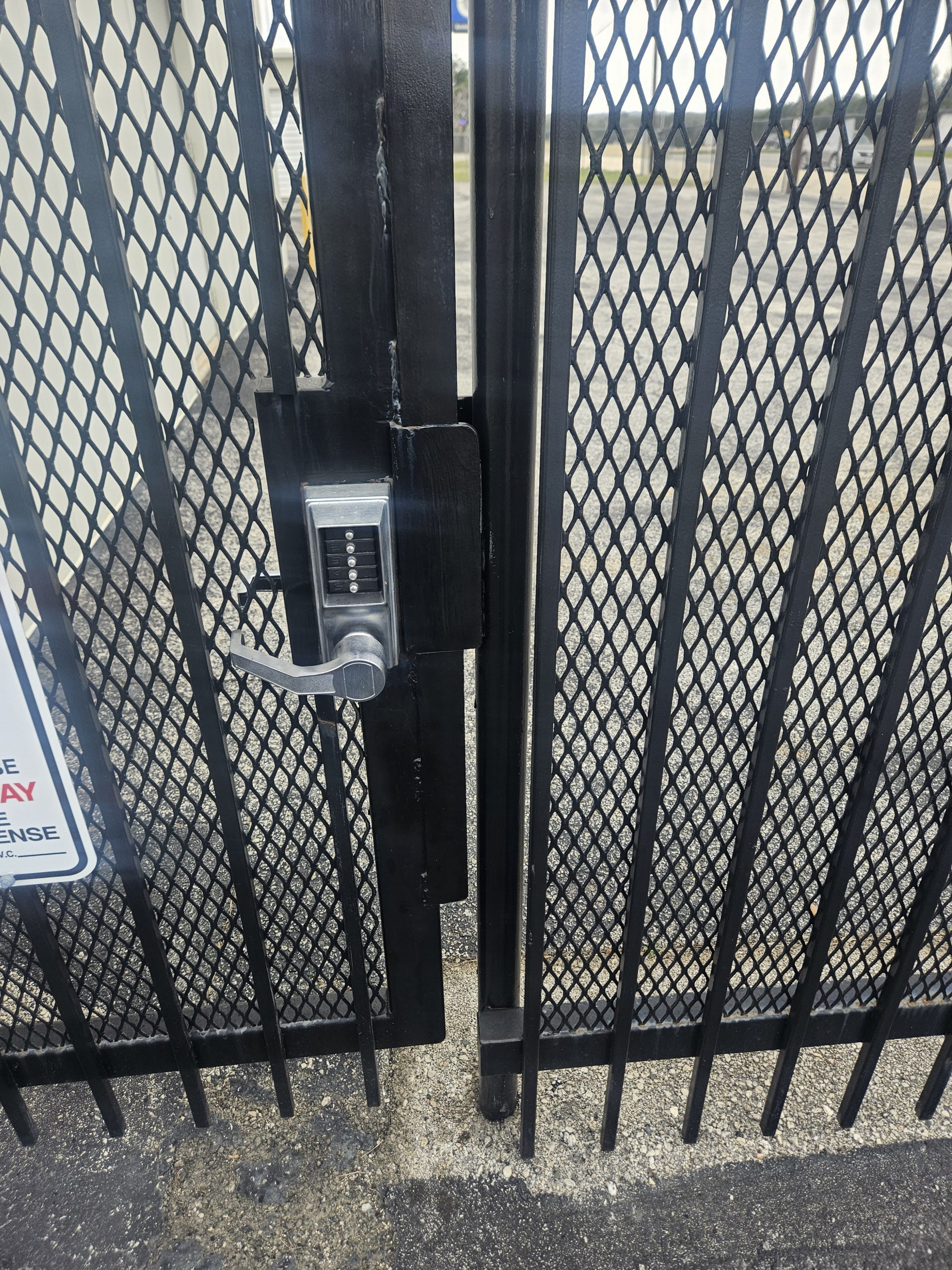
The image you provided features a black metal security gate equipped with a mechanical push-button combination lock and a lever handle. This is not a garage door. This type of lock is a keyless entry system, commonly used for pedestrian or vehicle access gates, offering secure entry without the need for traditional keys. Understanding its operation and maintenance is crucial for reliable access control.
Mechanical push-button locks, also known as code locks or keypad locks, are a popular choice for outdoor security gates due to their robust construction and keyless convenience. Unlike electronic keypads that require batteries or wiring, these locks operate purely mechanically, relying on a series of internal tumblers that respond to the correct button sequence. While generally reliable, they can encounter issues that prevent proper operation. This guide will help you understand, troubleshoot, and maintain your mechanical push-button gate lock.
Understanding Your Mechanical Push-Button Gate Lock
These locks typically consist of an external keypad with numbered buttons and an internal mechanism that engages or disengages the latch when the correct code is entered. The code is usually set by adjusting pins or levers within the lock body. They are designed to withstand various weather conditions, making them ideal for outdoor applications on security gates, pool gates, or even shed doors.
The primary advantages include:
- Keyless Convenience: No need to carry or distribute physical keys.
- Durability: Often made from robust materials like stainless steel or brass, designed for outdoor use.
- Security: Offers a good level of security for access control.
- Easy Code Changes: Codes can usually be changed relatively easily without needing a locksmith (though specific instructions vary by model).
- No Power Required: Operates without electricity or batteries, making it reliable during power outages.
WARNING: While this gate lock does not involve the high-tension springs or heavy panels of a garage door, working with any gate mechanism can still pose risks. Heavy gates can cause pinch injuries, and improper handling of lock components can lead to damage or security breaches. Always exercise caution and ensure the gate is stable before attempting any adjustments.
CRITICAL SAFETY RULE: Never attempt complex repairs or adjustments to the internal mechanism of a mechanical push-button lock or the structural components of a heavy gate if you are not a trained professional. Misalignment, incorrect installation, or faulty repairs can compromise security, lead to gate malfunction, or cause severe injury. For any issues beyond basic troubleshooting, always contact a qualified gate or locksmith professional.
Common Issues and Troubleshooting Steps
Even the most durable mechanical locks can experience problems. Here’s a breakdown of common issues and initial troubleshooting steps:
H3: Code Not Working or Buttons Sticking
This is a frequent complaint. It could be due to incorrect code entry, worn buttons, or internal mechanism issues.
H3: Latch Not Retracting or Engaging Properly
If the latch doesn’t move freely, the gate won’t open or secure correctly. This often points to alignment issues or debris.
H3: Handle Is Loose or Not Actuating the Latch
A loose handle can indicate internal wear or a disconnected spindle.
H3: Gate Is Hard to Close or Latch
This might not be a lock issue directly but can affect the lock’s ability to engage.
Causes vs. Solutions Table
| Cause | Solution |
|---|---|
| Incorrect code entered | Double-check the code. Ensure buttons are pressed firmly and in the correct sequence. |
| Worn or sticky buttons | Clean buttons with a soft brush and mild detergent. Apply a silicone-based lubricant sparingly if needed. If severely worn, consider professional replacement. |
| Debris or dirt in the mechanism | Use compressed air to clear debris from the keypad and around the latch. Clean visible parts with a non-corrosive lubricant. |
| Misaligned gate or strike plate | Inspect the gate hinges and frame for sagging or shifting. Adjust the strike plate if it’s not aligning with the latch bolt. For significant gate alignment issues, consult a professional. |
| Internal lock mechanism wear/damage | This requires professional assessment and repair/replacement. Do not attempt DIY internal repairs. |
| Loose handle or spindle | Tighten visible screws if accessible. If the spindle is disconnected or broken, a professional repair or lock replacement is necessary. |
| Corrosion | Clean visible corrosion with a wire brush and apply rust-inhibiting primer/paint. For internal corrosion, professional intervention is required. |
Troubleshooting Checklist
- Verify the Code: Ensure you are entering the correct code. If unsure, try resetting it according to the manufacturer’s instructions (if it’s a simple external reset).
- Inspect Buttons: Check if any buttons are stuck, stiff, or not fully depressing. Clean around them.
- Lubricate Moving Parts: Apply a dry, silicone-based lubricant to the latch bolt and any visible moving parts. Avoid oil-based lubricants as they can attract dirt.
- Check Gate Alignment: Open and close the gate manually. Does it swing freely? Does the latch line up perfectly with the strike plate?
- Examine the Strike Plate: Look for wear marks on the strike plate that indicate the latch is hitting it incorrectly. Adjust if necessary.
- Test the Handle: Does the handle turn freely? Does it retract the latch bolt? If not, there might be an internal issue.
- Look for Obstructions: Clear any vegetation, dirt, or debris that might be interfering with the gate’s movement or the lock’s operation.
Preventative Maintenance Tips
Regular maintenance can significantly extend the life of your mechanical push-button lock and prevent issues:
- Regular Cleaning: Periodically clean the keypad and surrounding areas to remove dirt, dust, and grime.
- Lubrication: Apply a dry, silicone-based lubricant to the latch bolt and internal mechanism (if accessible without disassembly) every 6-12 months, especially in harsh environments.
- Check Fasteners: Ensure all mounting screws and bolts for the lock and gate hardware are tight.
- Inspect Gate Alignment: Regularly check that the gate hangs correctly and the latch aligns perfectly with the strike plate. Address minor sagging promptly.
- Protect from Elements: While designed for outdoor use, extreme weather can take a toll. Consider a small overhang or protective cover if your gate is highly exposed.
By following these troubleshooting and maintenance guidelines, you can ensure your mechanical push-button gate lock remains functional and secure for years to come. Remember, for any complex issues or if you’re uncomfortable performing the steps, always defer to a professional gate technician or locksmith.