
Exploring Full-View Glass Garage Doors: Installation & Benefits for Commercial Spaces
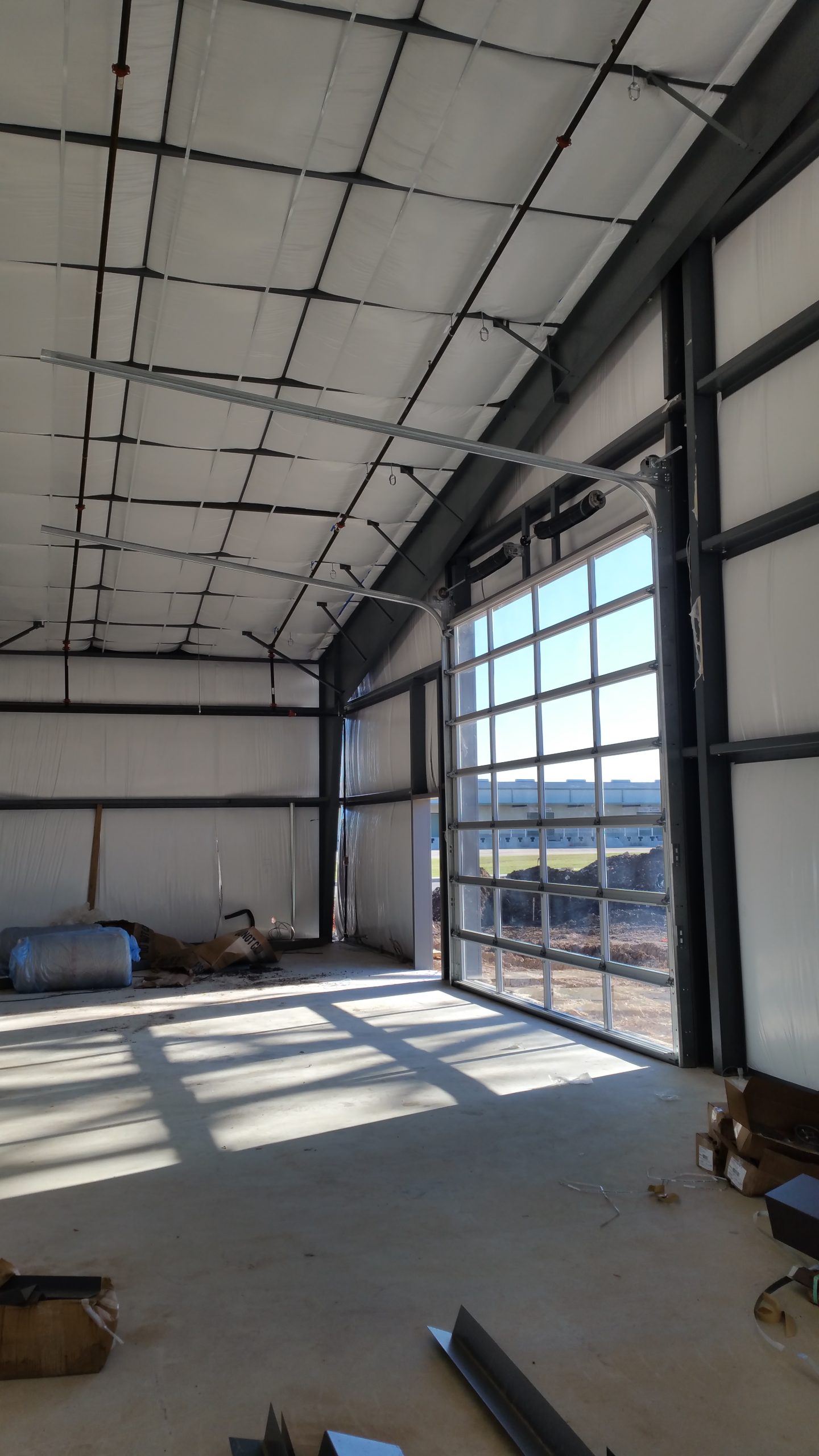
Full-view glass garage doors, as seen in the provided image, offer a modern aesthetic and functional advantages for commercial properties. These doors feature aluminum frames with large glass panels, providing abundant natural light and a contemporary look. Their installation requires specialized knowledge and equipment, particularly concerning the high-tension spring systems and heavy panels.
The image showcases a newly installed or in-progress full-view glass garage door within a commercial or industrial building. This type of door is increasingly popular for businesses seeking to enhance curb appeal, maximize natural light, and create an inviting atmosphere. Understanding their components, installation process, and benefits is crucial for any business owner considering this upgrade.
Understanding Full-View Glass Garage Doors
Full-view glass garage doors are characterized by their sleek design, typically featuring robust aluminum frames that hold large sections of glass or acrylic panels. Unlike traditional solid panel doors, they allow for maximum light penetration and visibility, making them ideal for showrooms, auto service centers, restaurants, or any commercial space desiring an open, modern feel. The door in the image clearly displays these characteristics, with its multi-paneled glass design and visible track system.
Key Components of a Full-View Glass Garage Door System
While aesthetically distinct, these doors operate on similar principles to other overhead garage doors, utilizing several critical components:
- Aluminum Panels with Glass Inserts: The primary visual and functional elements, providing light and visibility. They can be single-pane, double-pane, or even tinted for energy efficiency and privacy.
- Tracks: Vertical and horizontal steel tracks guide the door panels as they open and close. The image shows the curved radius of the horizontal track.
- Rollers: Attached to the door panels, these wheels run inside the tracks, ensuring smooth operation.
- Torsion Spring System: Located above the door opening, this system consists of one or more high-tension springs mounted on a steel shaft (torsion tube). The springs counterbalance the door’s weight, making it easier to lift. Cable drums and cables are integral to this system, connecting the springs to the bottom of the door.
- Cables: Steel cables run from the bottom corners of the door, over the cable drums, and connect to the torsion spring shaft. They are under extreme tension and are critical for lifting and lowering the door.
- Electric Opener (Optional but Common): For commercial applications, an electric opener provides automated operation, often with heavy-duty motors designed for frequent use.
Installation Considerations for Commercial Applications
The installation of a full-view glass garage door, especially in a commercial setting like the one pictured, involves several critical steps and considerations:
- Structural Support: Commercial doors are often larger and heavier, requiring robust header and jamb structures to support the door’s weight and the forces exerted by the track system and opener.
- Headroom and Sideroom: Adequate space above and beside the door opening is essential for the track system, torsion springs, and opener installation.
- Insulation and Energy Efficiency: While glass doors offer light, choosing insulated glass (double-pane) can significantly improve thermal performance, crucial for maintaining interior temperatures.
- Safety Features: Commercial installations often require additional safety features, such as photo-eye sensors, safety edges, and emergency stop buttons, to prevent accidents.
- Professional Expertise: Due to the complexity and inherent dangers, professional installation is paramount.
Benefits of Choosing Full-View Glass Garage Doors
For commercial properties, these doors offer a range of advantages:
- Enhanced Aesthetics: Provides a modern, upscale look that can significantly boost a business’s curb appeal.
- Natural Light: Reduces the need for artificial lighting during the day, leading to energy savings and a more pleasant interior environment.
- Visibility: Ideal for showrooms or businesses that want to display products or services to passersby.
- Durability: Aluminum frames are resistant to rust and corrosion, offering long-term performance with proper maintenance.
- Versatility: Available in various finishes and glass options to match any architectural style or branding.
Maintenance Tips for Longevity
Regular maintenance is key to the longevity and safe operation of your full-view glass garage door. This includes:
- Annual professional inspections of springs, cables, rollers, and tracks.
- Lubrication of moving parts (rollers, hinges) with a silicone-based lubricant.
- Cleaning glass panels and aluminum frames to maintain appearance and prevent debris buildup.
- Checking for loose hardware and tightening as needed (excluding spring components).
Safety Warning: High Tension and Heavy Parts
Garage door systems, especially the torsion springs and cables, are under extreme tension and can cause severe injury or death if mishandled. The door panels themselves are very heavy. Never attempt to repair or adjust these components yourself.
CRITICAL SAFETY RULE: Due to the immense tension in garage door springs and cables, and the significant weight of the door panels, any repair or adjustment must be performed by a qualified garage door professional. Attempting DIY repairs on these components can lead to catastrophic failure, resulting in severe injury or even death. Always contact a certified technician for any issues involving springs, cables, or heavy door panels.
Key Components and Their Role
| Component | Role/Function |
|---|---|
| Aluminum Panels with Glass | Provide aesthetics, natural light, and form the door’s barrier. |
| Tracks (Vertical & Horizontal) | Guide the door panels smoothly during opening and closing. |
| Rollers | Enable the door panels to move effortlessly within the tracks. |
| Torsion Springs | Counterbalance the door’s weight, making it easy to lift manually or with an opener. |
| Cables & Drums | Connect the door to the torsion spring system, transmitting lifting force. |
| Electric Opener | Automates the opening and closing process (common in commercial settings). |
Post-Installation Checklist & Common Adjustments (Professional Only)
- Balance Test: Ensure the door is properly balanced by the springs, allowing it to stay open at various heights.
- Track Alignment: Verify tracks are perfectly aligned and free of obstructions.
- Hardware Tightness: Check all bolts, nuts, and fasteners (excluding spring components) are securely tightened.
- Sensor Alignment: Confirm photo-eye sensors are correctly aligned for safety reversal.
- Lubrication: Apply appropriate lubricant to all moving metal parts (excluding tracks).
- Opener Force Settings: Adjust opener force and limit settings for smooth and safe operation.