
Understanding and Maintaining Commercial Roll-Up Doors: A Guide to Their Mechanism and Common Issues
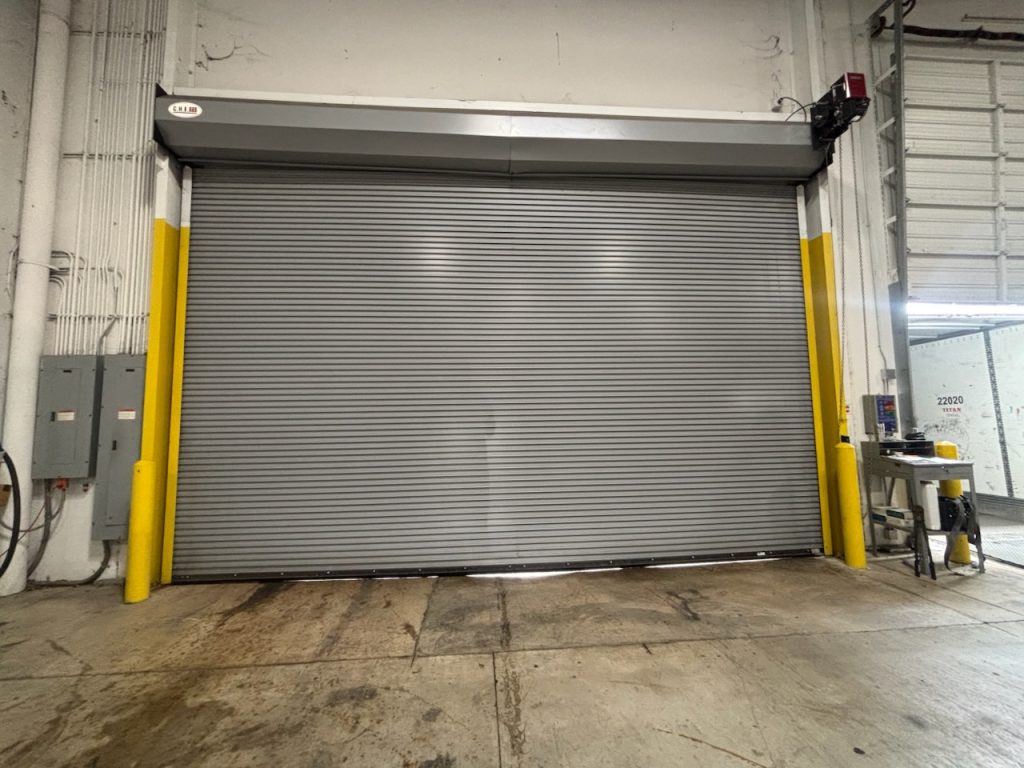
The image prominently features a coiling or rolling sheet door, commonly known as a roll-up door, often utilized for commercial applications such as security booths, storage units, or service windows. These doors operate by coiling a continuous curtain of interlocking slats around a drum located above the opening. Their robust construction, compact design, and inherent durability make them an excellent choice for security and efficient space utilization.
SAFETY WARNING: Roll-up doors, especially their spring tensioning systems and heavy curtains, operate under extreme force. Attempting to repair or adjust these components without proper training and tools can lead to severe injury or death. Always defer to a qualified professional for any repairs involving springs, cables, or heavy door panels.
What is a Roll-Up Door?
A roll-up door, also frequently called a coiling door or rolling steel door, is a type of overhead door that consists of a continuous curtain made of interlocking metal slats. Unlike sectional garage doors that lift in panels, a roll-up door’s curtain coils tightly around a cylindrical drum positioned directly above the door opening. This design is highly space-efficient, as it requires no overhead tracks extending into the building, making it ideal for applications where ceiling space is limited or where maximum clearance is needed.
Key Components of a Roll-Up Door:
- Curtain: The main body of the door, composed of galvanized steel, aluminum, or stainless steel slats.
- Drum Assembly: Located at the top of the opening, this is where the curtain rolls up and down. It typically contains torsion springs that counterbalance the door’s weight.
- Guide Rails: Vertical tracks on either side of the opening that guide the door curtain as it moves.
- Bottom Bar: A reinforced bar at the bottom of the curtain, often with a weather seal.
- Operator: Can be manual (chain hoist or push-up), crank-operated, or motorized for automated opening and closing.
Common Issues and Troubleshooting for Roll-Up Doors
While roll-up doors are known for their durability, they can encounter issues over time. Understanding common problems can help in identifying when professional intervention is needed.
Troubleshooting Checklist:
- Door Not Opening/Closing Smoothly: Check for visible obstructions in the guide rails. Listen for unusual grinding or scraping noises.
- Excessive Noise During Operation: This could indicate a lack of lubrication, worn components, or an issue with the spring tension.
- Door Drifts or Falls Rapidly: A clear sign of spring tension issues. This is extremely dangerous and requires immediate professional attention.
- Curtain Misalignment: If the door curtain appears crooked or binds in the tracks, it could be due to damaged slats, misaligned guides, or an unevenly tensioned spring system.
- Motor/Operator Malfunction (if applicable): Check power supply, remote batteries, and any error codes on the operator unit.
Causes vs. Solutions Table
Here’s a quick reference for common roll-up door problems and their appropriate solutions:
| Cause | Solution |
|---|---|
| Worn or broken torsion springs | Professional spring replacement/adjustment (CRITICAL SAFETY: DO NOT DIY) |
| Misaligned or damaged guide rails | Professional track alignment and repair |
| Lack of lubrication on moving parts | Lubricate guide rails and other moving components with a silicone-based or lithium grease garage door lubricant |
| Damaged or bent door curtain slats | Professional repair or replacement of damaged slats |
| Obstruction in guide rails or bottom bar | Clear debris from tracks and inspect bottom bar for damage |
| Motor/operator electrical or mechanical failure | Professional diagnosis and repair/replacement of the opener unit (if applicable) |
Maintenance Tips for Longevity
Regular maintenance can significantly extend the life of your roll-up door and prevent costly repairs:
- Annual Professional Inspection: Schedule a yearly check-up by a certified garage door technician to inspect springs, guides, and overall operation.
- Lubrication: Apply appropriate lubricant to guide rails and other moving parts every 3-6 months. Avoid using oil-based lubricants that can attract dirt.
- Cleaning: Keep guide rails free of dirt, debris, and rust. Clean the door curtain periodically to prevent corrosion.
- Visual Inspection: Regularly check for loose fasteners, worn cables (if present), or damaged slats.
Remember, while some minor troubleshooting can be done by the owner, any issue involving the door’s counterbalance system (springs) or heavy components should always be handled by a professional. Their expertise ensures safety and proper functionality, preventing potential accidents and further damage.