
What to Know About Your Newly Installed Garage Door System?
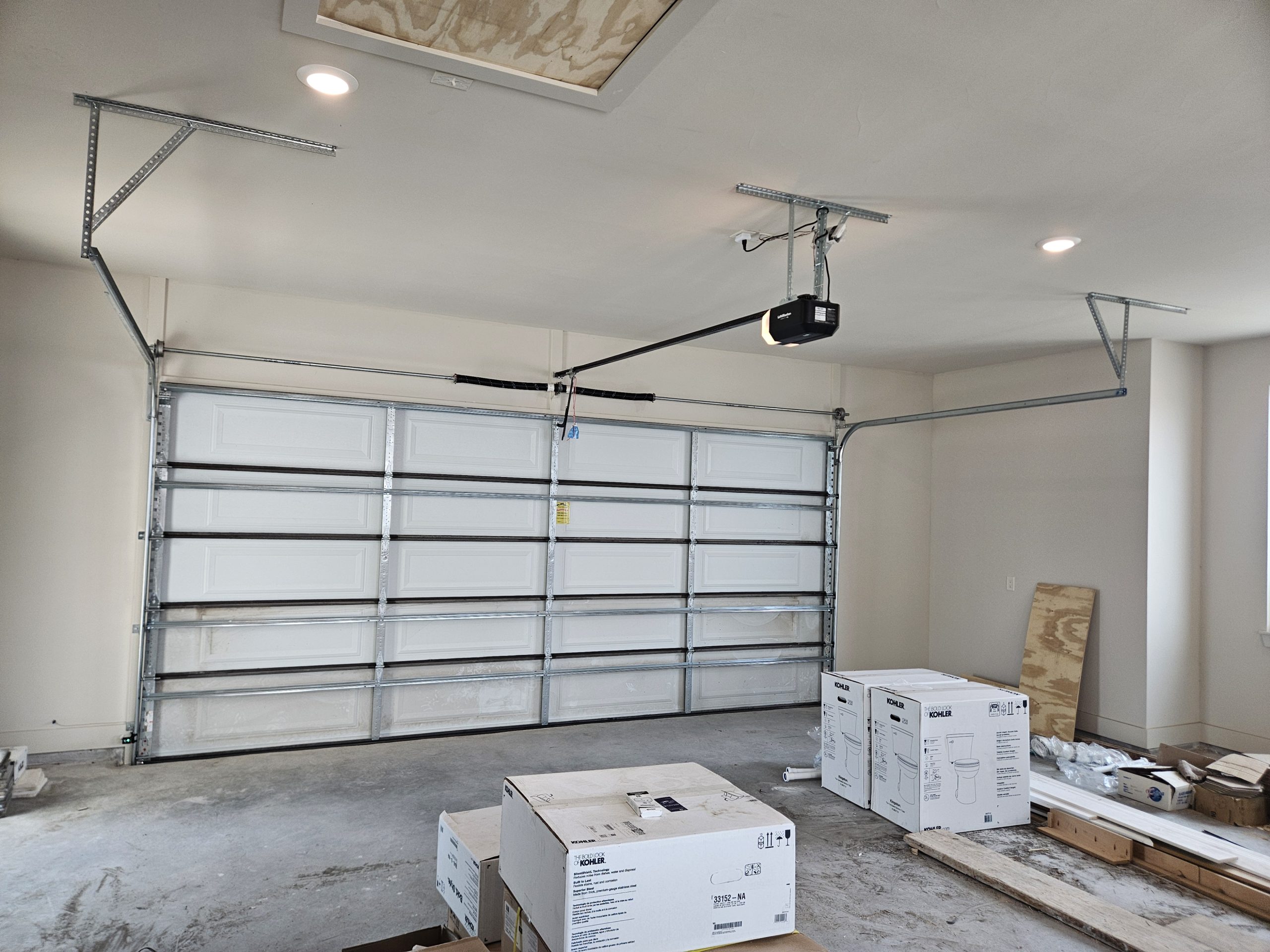
Congratulations on your new garage door installation! The image provided showcases a typical, well-executed installation of a sectional garage door system, complete with a torsion spring mechanism and an automatic opener. Understanding its components and proper operation is key to ensuring safety and longevity. This guide will walk you through the essentials of your new setup.
Understanding Your New Sectional Garage Door Installation
The garage door in the image is a sectional door, which means it’s made up of several horizontal panels hinged together. This design allows the door to bend and roll up along tracks when opening, making it a popular and practical choice for most homes. A robust torsion spring system, visible above the door, counterbalances the door’s weight, making it feel lighter and easier for the opener to lift. The automatic garage door opener, often a LiftMaster as suggested by the visible unit, provides the convenience of remote operation. Proper installation, as seen here with secure track mounting and a well-positioned opener, is crucial for reliable performance.
Key Components and Their Purpose
A modern garage door system is a complex assembly of interconnected parts, each playing a vital role in its operation and safety. Here’s a breakdown of the main components you see in your new installation:
| Component | Purpose/Function |
|---|---|
| Sectional Panels | The main body of the door, typically made of steel, wood, or composite materials, hinged together to allow vertical movement and bending along the tracks. |
| Tracks (Vertical & Horizontal) | Guide the rollers and the door panels as they move up and down. The vertical tracks run alongside the door opening, transitioning into horizontal tracks that extend back into the garage. |
| Rollers | Attached to the edges of each door panel, these wheels fit into the tracks, allowing the door to glide smoothly. |
| Torsion Spring System | Mounted on a shaft directly above the door, these powerful springs counterbalance the door’s weight, making it easier to lift and lowering the strain on the opener. |
| Garage Door Opener | An electric motor that automates the opening and closing of the door, typically operated by a remote control, wall button, or smart device. |
| Safety Sensors | Located near the bottom of the tracks, these photoelectric eyes detect obstructions in the door’s path and automatically reverse the door to prevent accidents. |
| Cables | Attached to the bottom of the door and wound around drums on the torsion spring shaft, these cables lift the door as the springs unwind. |
Post-Installation Checks and Initial Troubleshooting
Even with a professional installation, it’s good practice to perform a few checks to ensure everything is operating as it should. Since your door is newly installed, major issues are unlikely, but minor adjustments or observations can be helpful.
- Smooth Operation: Open and close the door a few times. Does it move smoothly without jerking or sticking? Listen for any unusual grinding or squeaking noises.
- Safety Sensor Test: Place an object (like a cardboard box) in the path of the closing door. The door should reverse immediately upon sensing the obstruction. This is a critical safety feature.
- Balance Test (Manual Operation): Disengage the opener (pull the emergency release cord). The door should stay in place when manually lifted halfway. If it falls or springs up, the springs may need adjustment. However, do NOT attempt to adjust springs yourself.
- Remote and Wall Button Functionality: Ensure all remote controls and the wall-mounted button operate the door correctly.
- Lubrication: While new, ensure moving parts like rollers, hinges, and springs are adequately lubricated. Your installer should have done this, but a quick visual check doesn’t hurt.
Maintenance and Longevity
To keep your new garage door system running efficiently and safely for years, regular maintenance is essential. This includes annual professional inspections, lubrication of moving parts, and prompt attention to any unusual sounds or operational changes. A well-maintained garage door not only performs better but also lasts longer.
CRITICAL SAFETY WARNING: Garage door springs, cables, and heavy panels are under extreme tension and weight. Attempting to repair or adjust these components without proper training and tools can lead to severe injury or even death. ALWAYS contact a qualified and experienced garage door technician for any repairs, adjustments, or maintenance involving these high-tension or heavy parts. DIY repairs are strongly discouraged for your safety.