
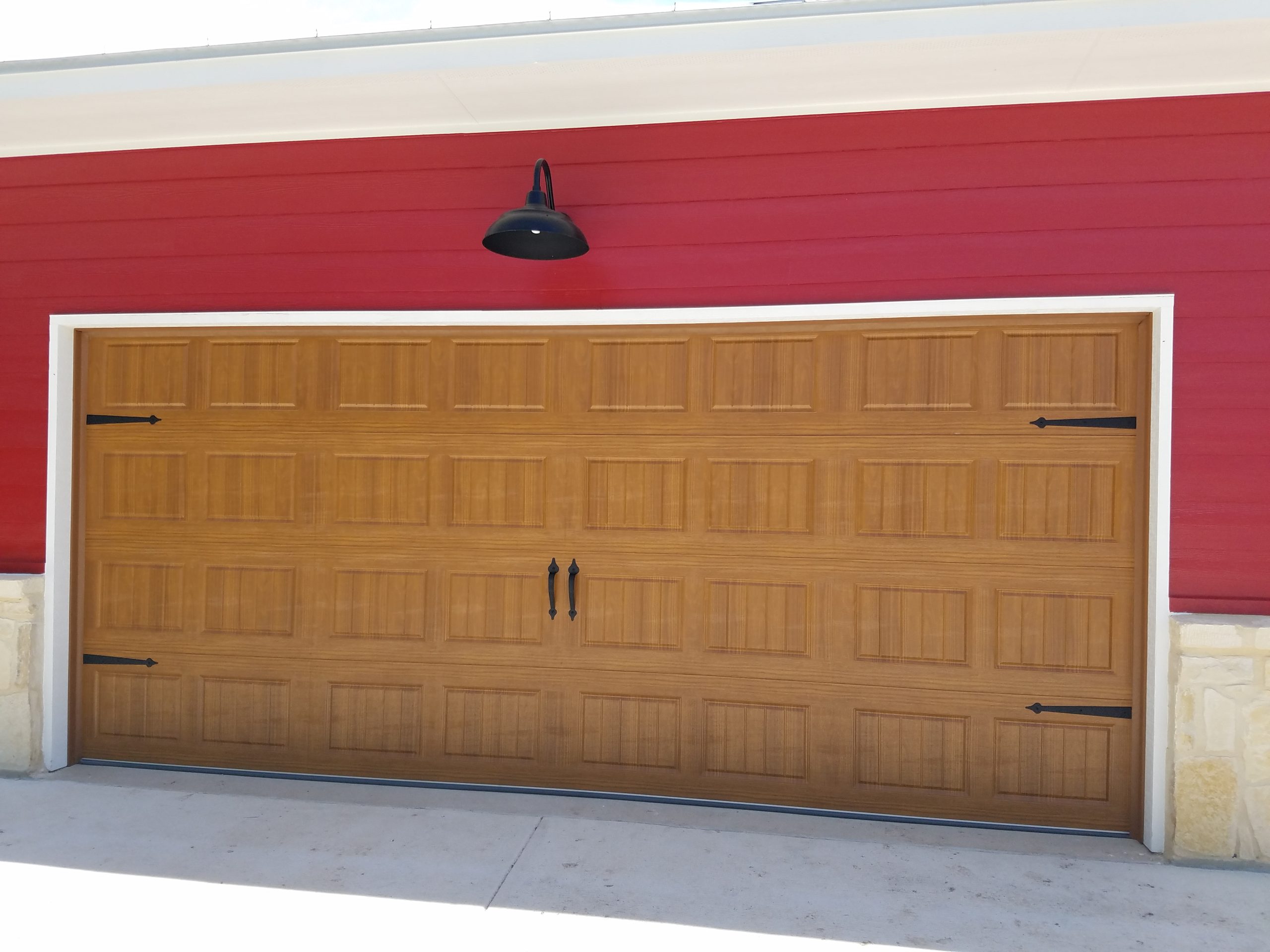
How Decorative Hardware Transforms Your Garage Door’s Curb Appeal
Decorative garage door hardware, such as hinges and handles, instantly elevates a standard garage door into a charming carriage house style, significantly boosting your home’s curb appeal and perceived value. It’s an affordable and impactful upgrade that personalizes your property, reflecting a classic aesthetic without the need for a full door replacement.
SAFETY WARNING: While decorative hardware is often superficial, always exercise extreme caution when working near any part of a garage door system. Garage doors operate under immense spring tension and are incredibly heavy. Improper handling can lead to severe injury or death.
CRITICAL SAFETY RULE: NEVER attempt to repair or adjust garage door springs, cables, or heavy panels yourself. These components are under high tension and require specialized tools and expertise. Always contact a qualified professional garage door technician for any work involving these critical, high-tension parts to ensure your safety and the proper functioning of your door.
Understanding Decorative Garage Door Hardware
Decorative garage door hardware refers to the non-functional, aesthetic elements added to a garage door to enhance its visual appeal. Unlike functional hinges and handles that are integral to the door’s operation, these pieces are purely for style. They are designed to mimic the look of traditional swing-out carriage house doors, which were common before the advent of modern overhead sectional doors.
Common materials for decorative hardware include steel, aluminum, and durable plastics, often finished with a powder coating in popular colors like matte black, bronze, or antique iron. These finishes are chosen for their ability to withstand outdoor elements and complement various home exteriors, from rustic farmhouses to contemporary designs.
Popular Styles and Types
The variety of decorative hardware allows homeowners to customize their garage doors to match their architectural style:
- Strap Hinges: These long, tapered pieces are mounted on the outer edges of the garage door, giving the illusion of functional hinges that would allow the door to swing open. They come in various lengths and designs, from simple to ornate.
- Pull Handles: Designed to look like traditional door pulls, these are typically mounted in the center of the door, often in pairs. They provide a focal point and reinforce the carriage house aesthetic.
- Ring Pulls and Knockers: Less common but equally charming, these can add a unique touch, further enhancing the historical or rustic feel.
- Faux Latches and Bolts: These non-functional pieces complete the illusion of a traditional door, adding intricate details that suggest a manual locking mechanism.
The Transformative Power of Decorative Hardware
Adding decorative hardware is one of the most cost-effective ways to dramatically improve your home’s curb appeal. Here’s why it’s a smart investment:
- Instant Curb Appeal Boost: A plain garage door can often look like a blank canvas. Decorative hardware adds character, depth, and visual interest, making your garage door a design feature rather than just a functional necessity.
- Increased Property Value: Enhanced curb appeal directly translates to higher perceived property value. Potential buyers are often swayed by attractive exteriors, and a well-appointed garage door can make a significant positive first impression.
- Personalization: It allows homeowners to infuse their personal style into their home’s exterior. Whether you prefer a rustic, colonial, or modern farmhouse look, there’s hardware to match.
- Cost-Effective Upgrade: Compared to replacing an entire garage door, adding decorative hardware is a relatively inexpensive upgrade that yields substantial aesthetic returns.
Installation and Placement Tips
While installing decorative hardware is generally a straightforward DIY task, careful planning ensures the best results:
- Measure and Plan: Before drilling, hold the hardware in place and step back to visualize the placement. Ensure symmetry and even spacing.
- Use Templates: Many hardware kits come with templates. If not, create your own to mark drill points accurately.
- Proper Fasteners: Use the screws provided with the hardware. If replacing, ensure screws are appropriate for outdoor use and won’t strip the door material.
- Avoid Functional Areas: Ensure hardware is placed where it won’t interfere with the door’s movement, tracks, or weather stripping.
- Securely Fasten: Tighten all screws firmly but avoid over-tightening, which can strip the material or crack plastic components.
Maintaining Your Decorative Hardware
To keep your decorative hardware looking its best and prevent premature wear, follow these maintenance tips:
- Regular Cleaning: Clean the hardware with mild soap and water, especially in coastal areas or regions with high humidity, to remove dirt, grime, and salt buildup.
- Rust Prevention: For metal hardware, inspect for any signs of rust. Touch up scratches with appropriate paint or apply a rust-inhibiting clear coat.
- Tighten Fasteners: Periodically check all screws and fasteners to ensure they are tight. Vibrations from the door’s operation can cause them to loosen over time.
- Wax Protection: Applying a coat of automotive wax can add an extra layer of protection against the elements and keep the finish looking new.
Troubleshooting Common Decorative Hardware Issues
Even with proper installation and maintenance, you might encounter minor issues with your decorative hardware. Here’s a quick guide:
| Cause | Solution |
|---|---|
| Loose Screws/Hardware | Tighten with a screwdriver. If the hole is stripped, use a slightly larger screw or a wall anchor designed for the door material. |
| Rust Spots | Clean the rust with a wire brush or fine-grit sandpaper, then prime and repaint with an outdoor-grade, rust-inhibiting paint. |
| Fading Finish | Clean the hardware thoroughly, then apply a fresh coat of outdoor-grade paint or a clear protective sealant. |
| Hardware Interfering with Door Movement | Remove and reposition the hardware to ensure it clears all moving parts and tracks. |
Bulleted Troubleshooting List:
- Check Fasteners: Regularly inspect all screws and bolts for tightness. Loose hardware is the most common issue.
- Clean Regularly: Dirt and grime can accelerate wear and tear. A simple wash can prevent many problems.
- Inspect for Damage: Look for cracks, bends, or chips in the hardware. Replace damaged pieces promptly.
- Consider Material Upgrade: If you frequently experience issues like rust or fading, consider investing in higher-quality materials like stainless steel or aluminum for future replacements.
- Professional Consultation: If you’re unsure about any aspect of installation or maintenance, especially if it involves drilling into the door, consult with a garage door professional.
By thoughtfully selecting and maintaining decorative hardware, you can significantly enhance your home’s aesthetic appeal and enjoy a garage door that truly stands out.