
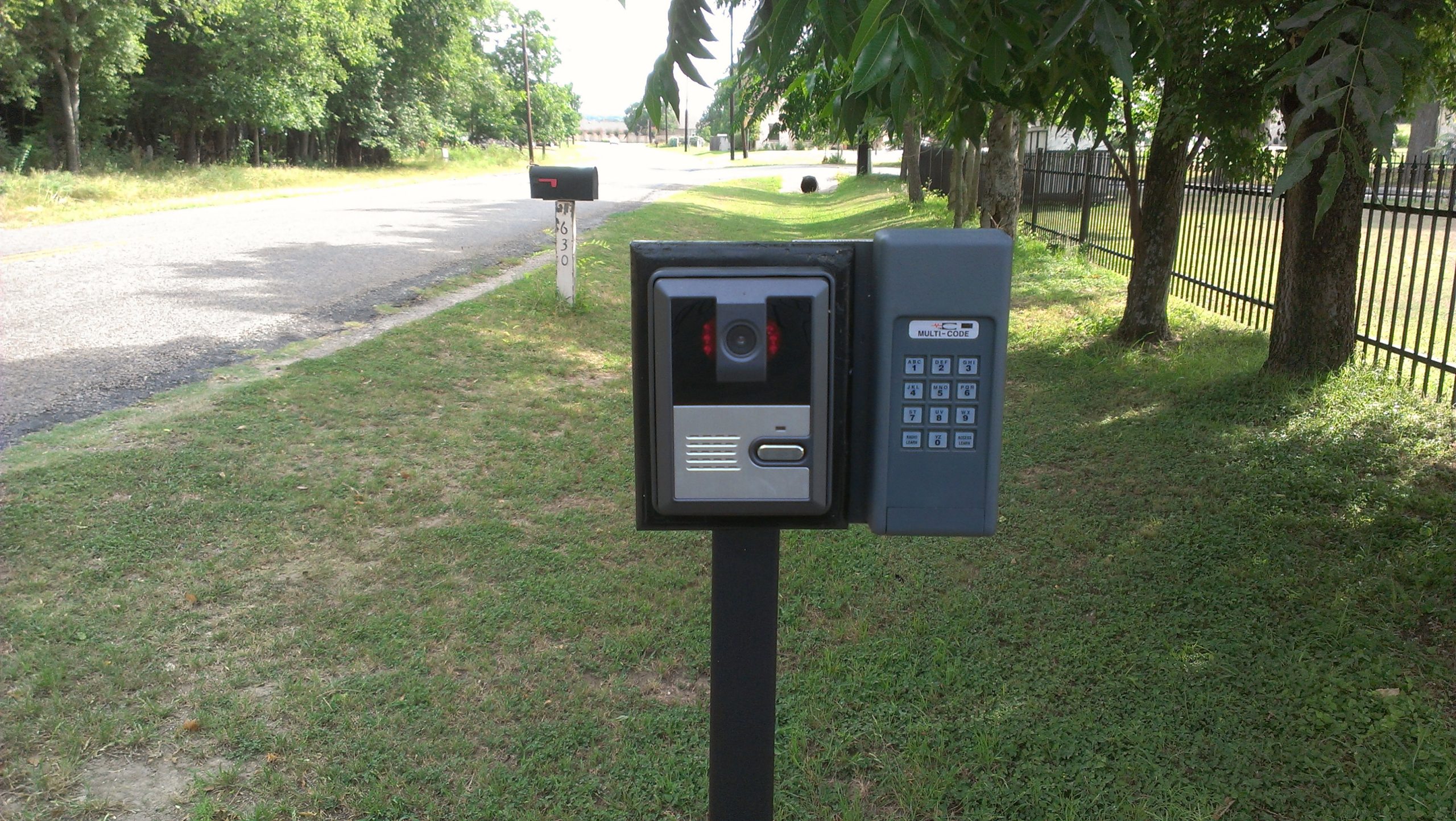
The image displays a robust outdoor access control system featuring an intercom and keypad, commonly used for property gates. While not a direct garage door component, it represents the broader need for secure and convenient property access. For garage doors, keypads and integrated access systems offer similar benefits, allowing entry without a remote or key. Understanding their functionality, troubleshooting common issues, and exploring integration options are crucial for enhancing both security and ease of use for your home’s primary entry points.
In today’s connected world, seamless and secure access to your property is paramount. The device shown in the image—an outdoor intercom and keypad—is a prime example of a modern access control system, typically found at the entrance of a driveway or gate. While this specific unit controls gate access, the principles of secure, convenient entry extend directly to your garage door, which often serves as the primary entry point to your home.
The Evolution of Property Access Control
Gone are the days when a simple lock and key were sufficient for property security. Modern homes demand sophisticated solutions that offer both convenience and robust protection. The intercom and keypad system in the image allows for controlled entry, enabling communication with visitors before granting access and providing a code-based entry option for authorized individuals. This level of control is increasingly being mirrored and integrated with garage door systems.
Bridging Gate and Garage Access
For many homeowners, the gate and garage door are two critical access points that ideally should work in harmony. An integrated access control strategy means you might use a single keypad code, a universal remote, or a smart home app to manage both. This not only simplifies daily routines but also enhances overall property security by centralizing control.
Key Components of Garage Door Access Systems
Understanding the different technologies that control your garage door is the first step to effective troubleshooting and integration.
Wireless Keypads: Convenience at Your Fingertips
Garage door keypads are wall-mounted devices outside your garage that allow entry via a numerical code. They are incredibly convenient, eliminating the need to carry a remote or keys, and are perfect for children, service personnel, or when you’re out for a walk.
Remote Controls: Traditional and Reliable
The classic garage door remote remains a staple for quick and easy access from your vehicle. Modern remotes often feature rolling code technology for enhanced security, changing the code each time it’s used to prevent unauthorized duplication.
Smart Home Integration: The Future of Access
Smart garage door openers connect to your home’s Wi-Fi, allowing you to control and monitor your garage door from anywhere using a smartphone app. These systems can integrate with other smart home devices, offering features like geofencing, voice control, and real-time alerts.
Intercom and Video Systems: Enhanced Security
While less common for the garage door itself, some advanced systems incorporate video cameras and intercoms, similar to the one pictured, allowing you to see and speak to visitors before granting them access to your property or garage.
Common Issues with Garage Door Access Control Systems
Even the most advanced systems can encounter problems. Here are some common issues homeowners face with their garage door access controls:
Keypad Malfunctions: From Dead Batteries to Connectivity
A non-responsive keypad is a frequent complaint. This can range from simple battery depletion to more complex issues like programming errors, signal interference, or physical damage.
Remote Control Failures: Signal Interference and Wear
Remotes can stop working due to dead batteries, signal interference from other devices, or internal damage from drops or exposure to moisture.
Smart System Glitches: App, Wi-Fi, and Integration Challenges
Smart systems rely on a stable Wi-Fi connection and proper app configuration. Issues can arise from network problems, outdated software, or conflicts with other smart home devices.
Garage Door Access Control: Causes vs. Solutions
| Cause | Solution |
|---|---|
| Keypad batteries are dead or low. | Replace batteries with fresh ones. |
| Keypad or remote is out of range. | Move closer to the garage door opener’s receiver. |
| Keypad or remote programming lost. | Reprogram the device according to the manufacturer’s instructions. |
| Signal interference (e.g., from LED lights, other electronics). | Identify and eliminate sources of interference; try a different frequency if possible. |
| Garage door opener’s antenna is obstructed or damaged. | Ensure the antenna is hanging freely and is not damaged. |
| Smart system Wi-Fi connectivity issues. | Check home Wi-Fi network, router, and smart opener’s connection status. |
| Physical damage to keypad or remote. | Inspect for cracks or water damage; consider replacement. |
| Opener’s learn button or receiver malfunction. | Consult a professional technician for diagnosis and repair. |
Troubleshooting Your Garage Door Access System: Quick Fixes
- Check Batteries First: This is the most common culprit for non-responsive keypads and remotes.
- Reprogram the Device: Follow your garage door opener’s manual to re-sync keypads and remotes.
- Inspect the Antenna: Ensure the antenna wire on your garage door opener is hanging freely and isn’t damaged or obstructed.
- Clear Obstructions: Make sure nothing is blocking the signal path between your device and the opener.
- Reset the Opener: Unplug your garage door opener for a few minutes, then plug it back in to reset its internal memory.
- Test Range: Try operating the device from different distances to identify potential signal issues.
- Check Wi-Fi (for Smart Systems): Verify your home’s Wi-Fi network is active and the smart opener is connected.
When to Call a Professional Garage Door Technician
While many access control issues can be resolved with simple troubleshooting, some problems require expert intervention. If you’ve tried the basic fixes and your garage door access system is still not functioning correctly, or if you suspect a deeper electrical or mechanical issue with your opener, it’s time to call a professional. A certified technician can accurately diagnose complex problems, ensure proper programming, and recommend secure integration solutions for your entire property.
SAFETY WARNING: While troubleshooting access control systems like keypads is often safe, remember that garage doors themselves operate under extreme tension. Components such as springs and cables are under immense pressure and can cause severe injury or death if mishandled. Always exercise caution when working near any moving parts of your garage door system.
CRITICAL SAFETY RULE: Never attempt to repair or adjust garage door springs, cables, or heavy panels yourself. These components are under high tension and can cause severe injury or death if not handled by a trained professional. Always contact a certified garage door technician for any issues involving these critical parts.
Ensuring your garage door access control system is functioning optimally is key to both your home’s security and your daily convenience. From simple keypads to advanced smart home integrations, understanding these systems helps you maintain a safe and accessible property. When in doubt, always rely on the expertise of a professional garage door technician.