
Understanding Your Garage Door Bottom Seal: Importance, Installation, and Maintenance
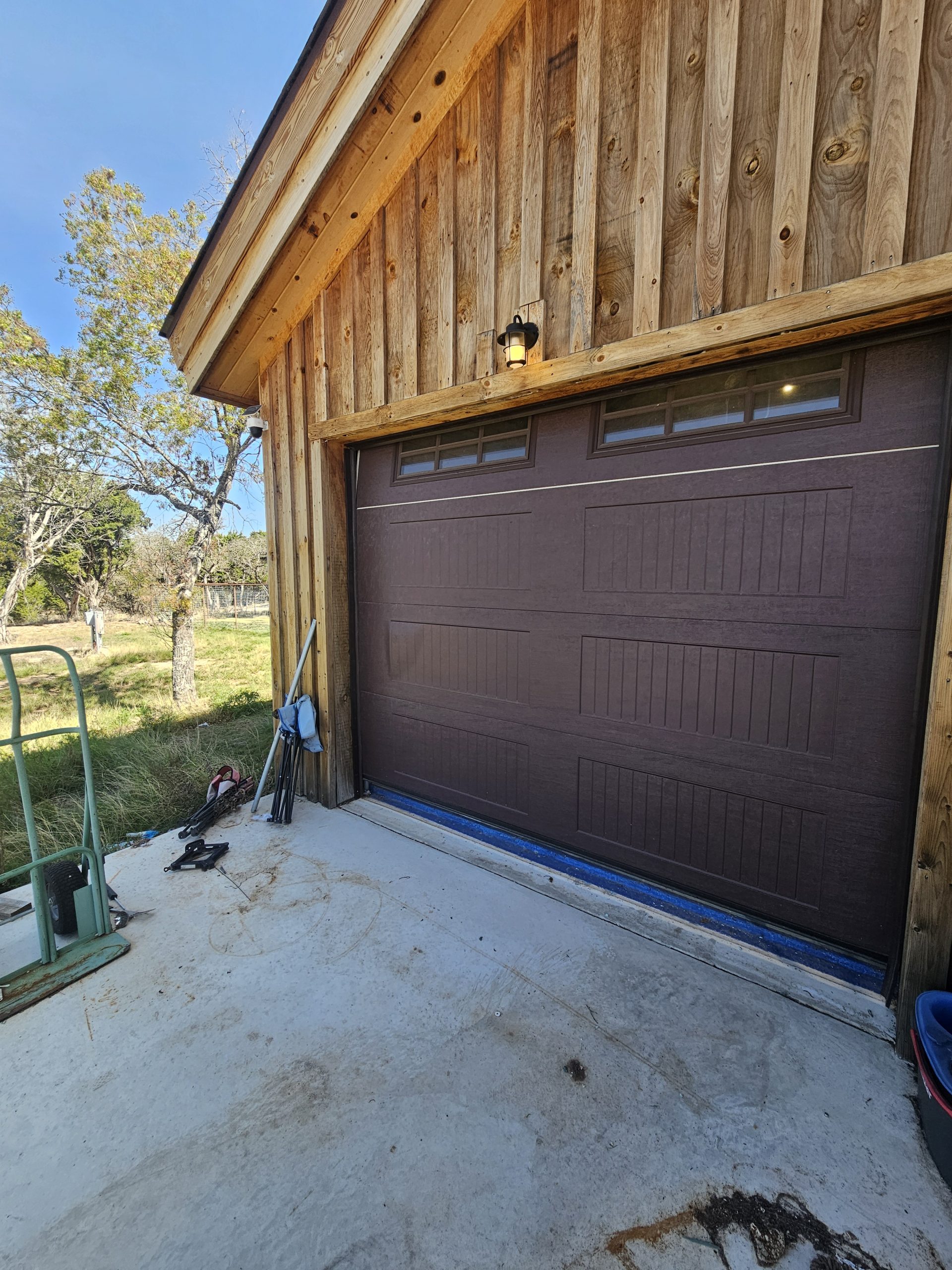
The blue strip at the bottom of your garage door likely indicates a newly installed or recently protected bottom seal (weatherstripping). This crucial component forms a tight barrier between the door and the concrete floor, preventing drafts, water, pests, and debris from entering your garage, significantly improving energy efficiency and extending the life of your garage door system.
When you observe a new or recently installed garage door, details like the bottom seal, often protected by painter’s tape or a temporary covering, speak volumes about the care taken in its installation. This seemingly minor component plays a monumental role in the overall functionality, efficiency, and longevity of your garage door system. As a Master Garage Door Technician, I can attest that a properly installed and maintained bottom seal is as vital as the door panels themselves.
The Unsung Hero: Why Your Garage Door Bottom Seal Matters
The bottom seal, also known as weatherstripping, is the flexible strip of rubber or vinyl attached to the lowest panel of your garage door. Its primary function is to seal the gap between the bottom of the door and the garage floor when the door is closed. Without an effective seal, your garage is vulnerable to a host of issues.
Energy Efficiency and Climate Control
One of the most significant benefits of a good bottom seal is its contribution to energy efficiency. Gaps under the garage door allow conditioned air (heated in winter, cooled in summer) to escape, and unconditioned outside air to seep in. This forces your HVAC system to work harder, leading to higher energy bills. A tight seal acts as an insulator, maintaining a more stable temperature inside your garage, which is especially important if your garage is attached to your home or used as a workshop.
Protection Against Pests and Debris
An open gap at the bottom of your garage door is an open invitation for pests like rodents, insects, and even small reptiles to enter. It also allows leaves, dust, dirt, and other outdoor debris to blow into your garage, making it harder to keep clean. A robust bottom seal creates a physical barrier, keeping unwanted guests and clutter out.
Water and Moisture Prevention
Rain, melting snow, and even sprinkler water can easily seep under a garage door with a compromised seal, leading to puddles, dampness, and potential water damage to items stored in your garage. Prolonged moisture can also contribute to mold growth and rust on your garage door’s metal components. A well-fitted bottom seal diverts water away, keeping your garage dry.
Types of Garage Door Bottom Seals
There are several types of bottom seals, each designed to fit specific garage door retainers and address different environmental conditions:
- Bulb Seals: These have a rounded, hollow shape and are common on many residential doors. They compress to form a tight seal.
- T-End Seals: Featuring a ‘T’ shape at the top, these slide into a retainer channel on the bottom of the door. They come in various profiles like ‘P-bulb’ or ‘U-shaped’.
- J-Type Seals: Similar to T-ends but with a ‘J’ profile, often used on older doors or specific commercial applications.
- Astragal Seals: A more robust, often larger, seal typically found on commercial or industrial doors, designed for heavy-duty use.
The choice of seal depends on your door’s existing retainer and the type of seal it’s designed to accommodate. Compatibility is key for effective sealing.
Installation and Maintenance Considerations
While the image suggests a new installation, understanding proper installation and ongoing maintenance is crucial for the seal’s effectiveness.
Proper Installation
A bottom seal must be installed correctly to function optimally. It needs to be long enough to cover the entire width of the door and positioned so that it compresses slightly against the floor when the door is closed, without creating excessive drag. If the garage floor is uneven, a professional might recommend a threshold seal in conjunction with the bottom seal to create a level surface.
Regular Maintenance
To ensure your bottom seal lasts, regular inspection and cleaning are necessary. Over time, seals can harden, crack, or tear due to exposure to UV rays, extreme temperatures, and general wear and tear. Clean the seal periodically to remove dirt and debris that can compromise its flexibility and sealing ability. If you notice any damage, it’s time for a replacement.
WARNING: Garage doors are extremely heavy and operate under immense spring tension. Attempting to repair or adjust components like springs, cables, or even heavy door panels without proper training and tools can lead to severe injury, dismemberment, or even death. Always consult a qualified garage door technician for any repairs beyond simple cleaning or visual inspection.
CRITICAL SAFETY RULE: Never attempt to repair or replace garage door springs, cables, or heavy door panels yourself. These components are under extreme tension and can cause catastrophic failure if mishandled. Always contact a professional garage door technician for these critical repairs to ensure your safety and the proper functioning of your garage door system.
Common Bottom Seal Issues and Solutions
Even with proper installation, bottom seals can encounter issues. Here’s a quick guide to common problems and their remedies:
| Cause of Issue | Solution |
|---|---|
| Worn or Cracked Seal | Replace the entire bottom seal with a new, flexible one. |
| Improper Installation | Re-install the seal correctly, ensuring it’s flush and forms a tight fit. |
| Uneven Concrete Floor | Consider installing a garage door threshold seal or consulting a concrete specialist. |
| Loose Retainer | Tighten or replace the retainer channel that holds the seal. |
| Incorrect Seal Type | Ensure the new seal is compatible with your door’s retainer and garage floor. |
| Damage from Pests/Debris | Clean the area regularly and replace damaged sections of the seal. |
Troubleshooting Your Bottom Seal
If you suspect your bottom seal isn’t performing as it should, here are some steps you can take to identify the problem:
- Check for Gaps: Close the garage door in daylight and stand inside. Look for any light shining through from the outside along the bottom edge. If you see light, there’s a gap.
- Inspect the Seal Material: Visually examine the rubber or vinyl for signs of wear, such as cracks, tears, hardening, flattening, or brittleness.
- Test for Air Leaks: On a windy day, or by using a smoke pencil, feel for drafts or observe smoke movement around the bottom of the door from inside the garage.
- Examine the Retainer: Ensure the metal or plastic channel that holds the seal is securely attached to the door and is not bent, rusted, or damaged.
- Assess Floor Evenness: Use a long level to check if your garage floor is uneven where the door closes. Significant dips or humps can prevent a proper seal.
By understanding the critical role of your garage door bottom seal and performing routine checks, you can ensure your garage remains protected, energy-efficient, and free from unwanted intrusions. For any complex issues or replacements, always rely on the expertise of a professional garage door technician.