
What is a Loading Dock Leveler and Why is it Essential for Industrial Operations?
A loading dock leveler is a crucial piece of equipment installed at a loading dock opening, designed to bridge the vertical and horizontal gap between the dock and a truck trailer. It ensures a smooth, safe, and efficient transition for forklifts and pallet jacks, facilitating the loading and unloading of goods in industrial and commercial settings. Without a properly functioning dock leveler, material handling becomes inefficient, unsafe, and potentially damaging to products and equipment.
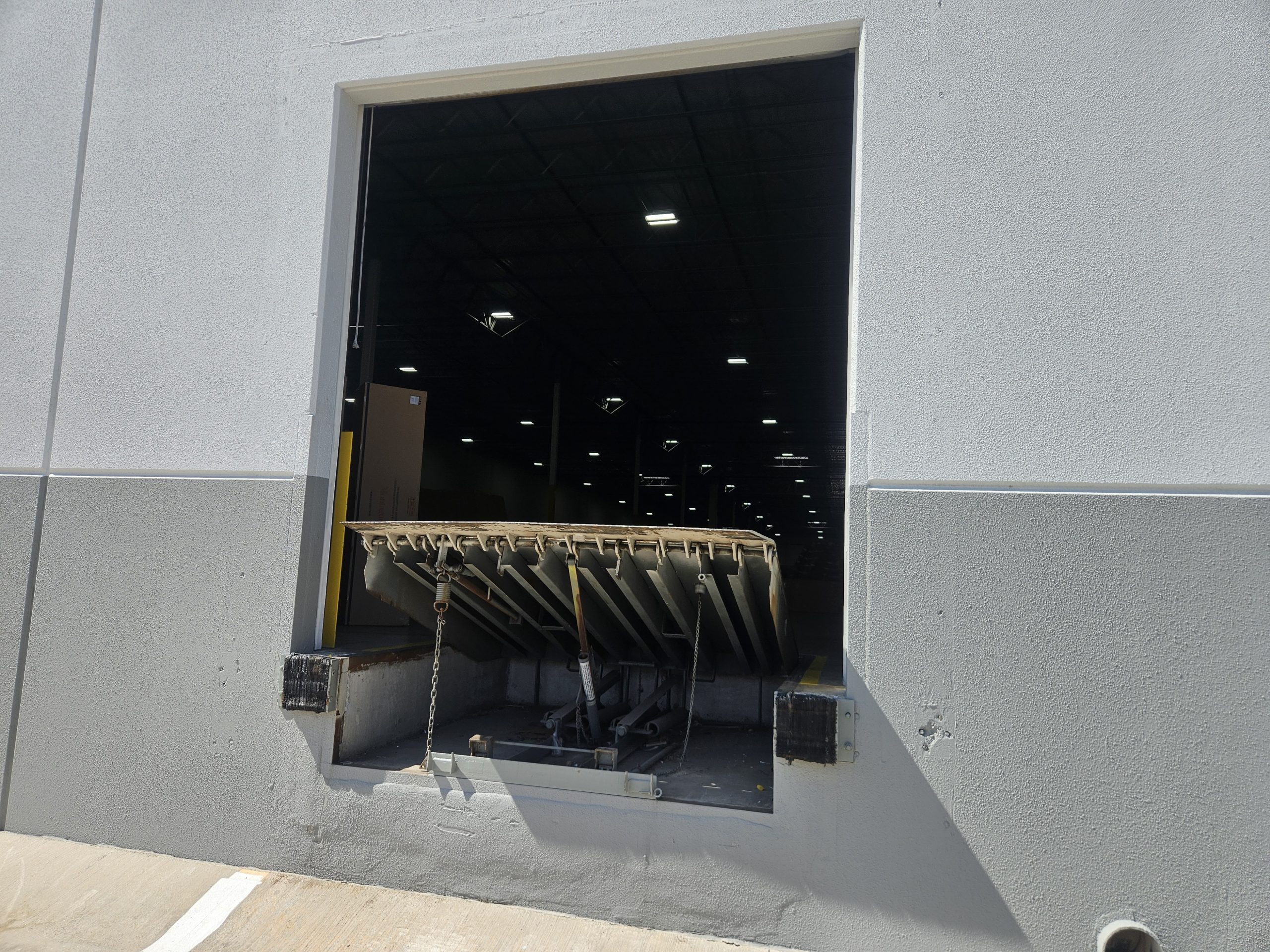
The image provided showcases a loading dock leveler in its raised position, ready to be deployed or retracted. This vital component is the backbone of efficient logistics for any business that regularly ships or receives goods via trucks. Understanding its function, types, and maintenance is paramount for operational safety and productivity.
Understanding the Role of a Loading Dock Leveler
Loading dock levelers are indispensable for warehouses, distribution centers, and manufacturing facilities. Their primary purpose is to create a seamless ramp between the facility’s loading dock and the bed of a truck or trailer, accommodating varying truck heights and distances. This eliminates dangerous gaps and height differences, allowing material handling equipment like forklifts, pallet jacks, and hand trucks to move goods safely and efficiently.
Types of Loading Dock Levelers
While the fundamental purpose remains the same, dock levelers come in several types, each suited for different operational needs and budgets:
- Hydraulic Dock Levelers: These are powered by an electric motor and hydraulic cylinders. They offer smooth, precise, and consistent operation, making them ideal for high-volume operations where reliability and ease of use are critical. They typically require less physical effort to operate.
- Mechanical Dock Levelers: Operated manually using a pull chain or lever, these levelers rely on a spring-loaded system to raise and lower the deck. They are a cost-effective solution for facilities with lower traffic volumes or where power access is limited.
- Air-Powered Dock Levelers: Utilizing an airbag or bellows system, these levelers are powered by compressed air. They offer a smooth operation similar to hydraulic models but without the hydraulic fluid, potentially reducing maintenance related to leaks.
- Edge-of-Dock Levelers: These are mounted to the face of the loading dock and are typically used for applications where the height difference between the dock and the truck is minimal. They are simpler and more economical than pit-style levelers.
Key Components and Operation
A typical pit-style dock leveler consists of a main deck, a hinged lip, and a control system. When activated, the deck rises, and the lip extends outward. The deck then lowers until the lip rests securely on the truck bed, creating a stable bridge. Once loading/unloading is complete, the process is reversed, and the leveler returns to its stored position.
SAFETY WARNING: Loading dock levelers involve heavy moving parts, high-tension springs (in mechanical models), and powerful hydraulic or air systems. Improper operation or maintenance can lead to severe injury or death.
CRITICAL SAFETY RULE: Never attempt DIY repairs for loading dock leveler springs, hydraulic systems, air systems, or structural components. These systems are under immense pressure and tension. Any work on these parts must be performed by a qualified, professional technician to prevent severe injury or death. Always contact a certified professional for inspection, maintenance, and repairs.
Maintenance and Common Issues
Regular maintenance is crucial for the longevity and safe operation of any dock leveler. Neglecting maintenance can lead to breakdowns, safety hazards, and costly repairs. Here’s a look at common considerations and their solutions:
Causes vs. Solutions for Dock Leveler Issues
| Cause/Consideration | Solution/Action |
|---|---|
| Uneven Load Transfer / Premature Wear | Ensure proper lip engagement with the truck bed and verify the leveler’s capacity matches the maximum load. Regular inspections for wear patterns. |
| Wear & Tear on Moving Components | Implement a preventative maintenance schedule including lubrication of hinges, pins, and bearings. Promptly replace worn or damaged parts. |
| Hydraulic Fluid Leaks (Hydraulic Models) | Regularly inspect hydraulic lines, cylinders, and seals for leaks. Repair leaks immediately and ensure fluid levels are correct. |
| Electrical Malfunctions (Hydraulic/Air Models) | Check power supply, wiring, and control panel for faults. Professional electrical diagnosis and repair are essential. |
| Lip Not Extending/Retracting Properly | Inspect for obstructions in the lip channel. Check lip cylinders/mechanisms and ensure the control system is functioning correctly. |
| Leveler Not Raising/Lowering Smoothly | Check for physical obstructions in the pit. For hydraulic models, verify hydraulic pressure and fluid levels. For mechanical, inspect spring tension; for air-powered, check air supply. |
Troubleshooting Common Dock Leveler Problems
- Leveler Fails to Raise: First, check the power supply (for electric/hydraulic models) and ensure no emergency stop buttons are engaged. Look for any visible obstructions in the pit or around the mechanism. Verify the control button or pull chain is functioning.
- Lip Fails to Extend: Inspect the lip area for debris or foreign objects that might be blocking its path. For hydraulic models, check the hydraulic lines and cylinders specifically for the lip. Ensure the operational sequence is followed correctly.
- Excessive Noise During Operation: Unusual noises often indicate a lack of lubrication, worn bearings, or misaligned components. This requires a professional inspection to identify the source and prevent further damage.
- Drifting or Uneven Platform: If the leveler platform sags or drifts, especially under load, it could point to hydraulic issues such as leaks, low fluid levels, or failing seals. Mechanical levelers might have issues with spring tension or worn components.
- Controls Unresponsive: Beyond checking the power and emergency stops, examine the control panel for any visible damage or loose wiring. This is a job for a qualified electrician or dock leveler technician.
Conclusion
Loading dock levelers are an integral part of a safe and efficient material handling operation. While they are built for durability, regular professional maintenance and prompt attention to any operational issues are critical. Investing in quality dock levelers and their upkeep ensures smooth logistics, protects your goods, and most importantly, safeguards your personnel. Always prioritize safety and rely on certified professionals for any service or repair needs.