
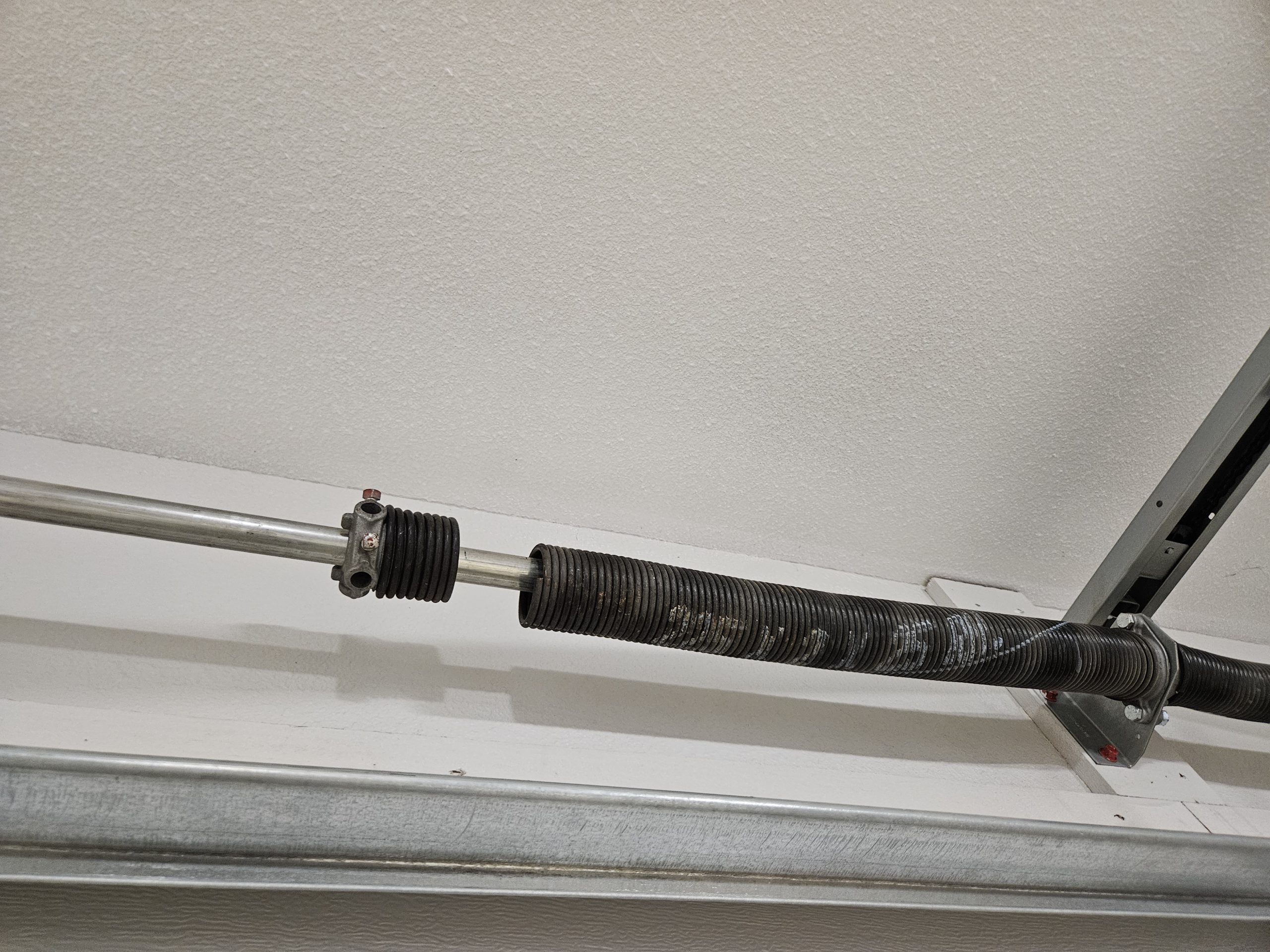
Why Did My Garage Door Torsion Spring Break? Understanding and Addressing This Critical Issue
A broken garage door torsion spring is a common issue, often due to metal fatigue from repeated use. This critical component balances the door’s weight, and its failure renders the door inoperable and extremely dangerous. You’ll likely hear a loud bang, and the door will feel incredibly heavy. Never attempt DIY repair; always call a certified professional immediately.
WARNING: Garage door torsion springs are under extreme tension and can cause severe injury or death if mishandled. Do NOT attempt to inspect, adjust, or repair a broken spring yourself. This is a job for a trained and experienced professional only.
Understanding Your Garage Door Torsion Spring
What is a Torsion Spring?
The torsion spring system is the powerhouse of your garage door. Located on a metal shaft just above the garage door opening, these springs store immense mechanical energy. When your garage door opens, the springs unwind, releasing energy to help lift the heavy door. When the door closes, they rewind, storing energy for the next opening cycle. This counterbalance system makes a 200-pound garage door feel light enough to be lifted by a small motor or even by hand.
Signs of a Broken Spring
Identifying a broken torsion spring is usually quite straightforward, though often startling:
- Loud Bang: The most common and unmistakable sign is a sudden, very loud “bang” or “snap” that sounds like a gunshot. This is the sound of the spring coil fracturing under tension.
- Door Won’t Open: If your garage door opener struggles or fails to lift the door, or if it only opens a few inches and then stops, a broken spring is a likely culprit.
- Heavy Door: Attempting to lift the door manually will reveal it to be incredibly heavy, almost impossible to move, as the spring is no longer assisting.
- Visible Gap: You might see a visible gap (usually 1-2 inches) in the coils of the spring on the shaft above the door.
- Loose Cables: The cables that run from the bottom corners of the door to the spring system may appear loose or detached, as the tension from the spring is gone.
Why Do Garage Door Torsion Springs Break?
Common Causes
Torsion springs are designed to withstand thousands of cycles, but they aren’t immortal. Several factors contribute to their eventual failure:
- Metal Fatigue: This is the most common reason. Over time, the constant winding and unwinding of the spring causes the metal to weaken and eventually fracture. Standard springs are rated for 10,000 to 15,000 cycles.
- Rust and Corrosion: Rust weakens the spring’s coils, making them more brittle and prone to breaking prematurely. This is especially common in humid environments or if the springs are not properly maintained.
- Improper Installation: If the wrong size or type of spring was installed for your door’s weight, or if it wasn’t tensioned correctly, it can lead to excessive stress and early failure.
- Lack of Maintenance: Neglecting to lubricate the springs can lead to increased friction and wear, shortening their lifespan.
- Extreme Temperatures: While less common, extreme temperature fluctuations can sometimes contribute to metal fatigue.
What to Do When Your Torsion Spring Breaks
CRITICAL SAFETY RULE: Under no circumstances should you attempt to repair or replace a broken garage door torsion spring yourself. These springs store immense energy and can cause catastrophic injury or death if released improperly. Immediately contact a qualified garage door technician for safe and professional service.
Immediate Steps
- Do Not Operate the Door: Do not try to open or close the door using the automatic opener. This can cause further damage to the opener, the door, or other components.
- Disconnect the Opener: Unplug your garage door opener from the power outlet to prevent accidental operation.
- Secure the Door: If the door is partially open, try to carefully lower it manually (if safe to do so and with assistance) and secure it in the closed position using C-clamps or vice grips on the tracks just above the rollers. This prevents it from falling unexpectedly.
- Call a Professional: Contact a reputable garage door service company immediately. Explain that you have a broken torsion spring.
Causes vs. Solutions
Understanding the root cause helps in choosing the right long-term solution:
| Cause of Breakage | Professional Solution |
|---|---|
| Metal Fatigue (Age/Cycles) | Professional replacement with new springs, potentially upgrading to high-cycle springs for extended life. |
| Rust and Corrosion | Professional replacement with new, possibly rust-resistant (e.g., galvanized or powder-coated) springs. Regular lubrication recommended. |
| Improper Spring Size/Type | Professional assessment of door weight and dimensions, followed by installation of correctly sized and tensioned springs. |
| Lack of Maintenance | Professional replacement and advice on a regular maintenance schedule, including proper lubrication. |
Troubleshooting a Broken Garage Door Spring
While DIY repair is strictly forbidden, knowing how to identify the problem helps when speaking with a technician:
- Visible Gap in Spring: Look for a clear separation in the coils of the spring on the shaft above the door.
- Door Feels Extremely Heavy: If you try to lift the door manually and it feels like it weighs a ton, the spring is likely broken.
- Opener Straining or Failing: The garage door opener will struggle or fail to lift the door, often making unusual noises.
- Door Falls Rapidly: If the door opens a few inches and then slams shut, or if it falls quickly when being closed, the spring is not providing proper counterbalance.
- Loose or Tangled Cables: The cables that run along the sides of the door and connect to the spring system may be slack, off their drums, or tangled.
Preventing Future Spring Breakage
Regular Maintenance
While springs have a finite lifespan, proper maintenance can extend it. Lubricate your springs annually with a silicone-based spray or garage door lubricant. Avoid using WD-40, which can attract dirt. Also, consider scheduling professional inspections every 1-2 years to catch potential issues before they become major problems.
Choosing the Right Spring
When replacing springs, discuss options with your technician. High-cycle springs are available that are designed to last 20,000, 30,000, or even 50,000 cycles, significantly outlasting standard springs and offering better long-term value, especially for frequently used doors.
Conclusion
A broken garage door torsion spring is a serious issue that requires immediate professional attention. Prioritizing safety by never attempting a DIY repair is paramount. By understanding the causes and knowing the signs, you can quickly address the problem and ensure your garage door system is safely restored to full functionality by a qualified technician.