
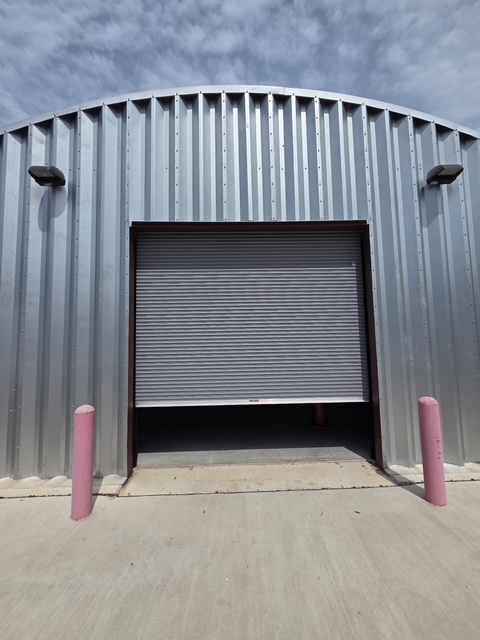
Commercial coiling steel doors, often found in warehouses, loading docks, and storage facilities, are robust and designed for heavy use. However, like any mechanical system, they can develop operational issues that prevent them from opening or closing smoothly. These problems can stem from a variety of factors, including lack of maintenance, worn components, or obstructions. Addressing these issues promptly is crucial for maintaining security, operational efficiency, and safety. Always prioritize professional assessment and repair for complex problems to prevent further damage or injury.
A commercial coiling steel door that isn’t operating smoothly can be a major headache for any business. Whether it’s struggling to open, closing too quickly, or making unusual noises, these issues can disrupt operations, compromise security, and even pose significant safety risks. Understanding the common culprits behind these malfunctions is the first step toward finding an effective solution. This guide will delve into the typical reasons why your coiling steel door might be acting up and what steps you should take to resolve them.
Understanding Your Commercial Coiling Steel Door
Commercial coiling steel doors, also known as roll-up doors or service doors, are designed for durability and space efficiency. They consist of interlocking steel slats that coil around a barrel located above the door opening. This design makes them ideal for high-traffic areas where security and robust performance are paramount.
How Coiling Doors Work
The operation of a coiling door relies on a complex interplay of components: the spring assembly (often torsion springs), the barrel, guide tracks, bottom bar, and the motor (for motorized doors). The springs counterbalance the door’s weight, making it easier for the motor or manual effort to raise and lower it. The slats move within vertical tracks, guided by rollers or other mechanisms, ensuring a smooth path.
Common Issues Affecting Coiling Door Operation
When a coiling door doesn’t operate smoothly, it’s usually due to one of several common problems. These can range from simple obstructions to more complex mechanical failures.
Causes of Rough Operation or Malfunction
- Lack of Lubrication: Moving parts like the tracks, end locks, and hinges require regular lubrication to reduce friction. Without it, the door can become stiff, noisy, and difficult to operate.
- Worn or Damaged Slats/Panels: Dents, bends, or corrosion on the individual steel slats can cause them to bind within the tracks, leading to jerky movement or complete stoppage.
- Misaligned Tracks: If the vertical tracks become bent, loose, or misaligned, the door slats will not be able to move freely, causing friction and uneven operation.
- Spring System Issues: The torsion springs are critical for counterbalancing the door’s weight. Worn, broken, or improperly tensioned springs can make the door feel extremely heavy, cause it to drop suddenly, or prevent it from opening fully.
- Motor or Operator Problems: For motorized doors, issues with the opener’s motor, gears, or electrical connections can lead to intermittent operation, failure to respond, or sluggish movement.
- Obstructions: Debris in the tracks, objects near the door path, or even a faulty safety sensor can prevent the door from closing completely or cause it to reverse unexpectedly.
- Worn Bearings or Rollers: Bearings in the barrel assembly or rollers (if present) can wear out, leading to increased friction and noise during operation.
SAFETY WARNING: Commercial coiling steel doors are extremely heavy and operate under immense spring tension. Attempting to repair or adjust components like springs, cables, or the motor without proper training and tools can result in severe injury or death.
CRITICAL SAFETY RULE: Never attempt DIY repairs on garage door springs, cables, or heavy panels. These components are under extreme tension and can cause severe injury or death if mishandled. Always contact a qualified professional garage door technician for any repairs involving these critical parts. Professional technicians have the specialized tools, training, and experience to safely diagnose and resolve complex issues.
Causes vs. Solutions
| Common Cause | Professional Solution |
|---|---|
| Lack of Lubrication | Professional cleaning and application of appropriate commercial-grade lubricant to tracks, end locks, and moving parts. |
| Worn/Damaged Slats | Replacement of damaged slats, or in severe cases, full door replacement. |
| Misaligned Tracks | Re-alignment, tightening, or replacement of bent tracks by a technician. |
| Spring System Issues | Spring tension adjustment, repair, or replacement of broken springs by a trained professional. |
| Motor/Operator Problems | Diagnosis and repair/replacement of motor, gears, or electrical components by an authorized technician. |
| Obstructions/Sensor Issues | Removal of obstructions, cleaning/re-alignment of safety sensors, or sensor replacement. |
| Worn Bearings/Rollers | Replacement of worn bearings or rollers to restore smooth operation. |
Troubleshooting Your Coiling Door (Initial Steps)
Before calling a professional, you can perform a few basic checks, but remember to prioritize safety and avoid touching high-tension parts.
- Check for Obstructions: Visually inspect the tracks and the door’s path for any debris, tools, or objects that might be blocking movement.
- Listen for Unusual Noises: Squeaking, grinding, or scraping sounds can indicate a lack of lubrication, worn parts, or misalignment.
- Observe Movement: Does the door move unevenly, get stuck at certain points, or struggle more in one direction? This can help pinpoint the area of concern.
- Test Safety Sensors (if applicable): For motorized doors, ensure the safety sensors (photo eyes) are clean, aligned, and unobstructed.
- Check Power Supply (for motorized doors): Ensure the opener is plugged in and receiving power. Check circuit breakers if necessary.
The Importance of Professional Maintenance
Regular professional maintenance is the best way to prevent most coiling door issues. Technicians can inspect all components, lubricate moving parts, check spring tension, and identify potential problems before they escalate into costly repairs or dangerous malfunctions. A preventative maintenance schedule can significantly extend the lifespan of your commercial door and ensure its reliable, safe operation.
In conclusion, a commercial coiling steel door that isn’t operating smoothly demands attention. While some minor issues might be resolvable with simple checks, the complexity and inherent dangers of these systems necessitate professional intervention for most repairs. Prioritize safety, avoid DIY attempts on critical components, and rely on experienced technicians to keep your commercial doors functioning optimally and securely.