
Why is there a gap under my garage door and how can I fix it?
A gap under your garage door is a common problem often caused by a worn-out bottom seal, an uneven concrete floor, or a misaligned door. Addressing these gaps is crucial for energy efficiency, security, and preventing pests. While some minor issues can be identified by homeowners, most repairs involving door adjustments or component replacement require a professional garage door technician to ensure safety and proper function.
SAFETY WARNING: Garage doors operate under extreme tension from springs and cables, and panels are very heavy. Attempting repairs without proper training and tools can lead to severe injury or death. NEVER attempt to repair garage door springs, cables, or heavy panels yourself. Always contact a qualified garage door professional for these types of repairs.
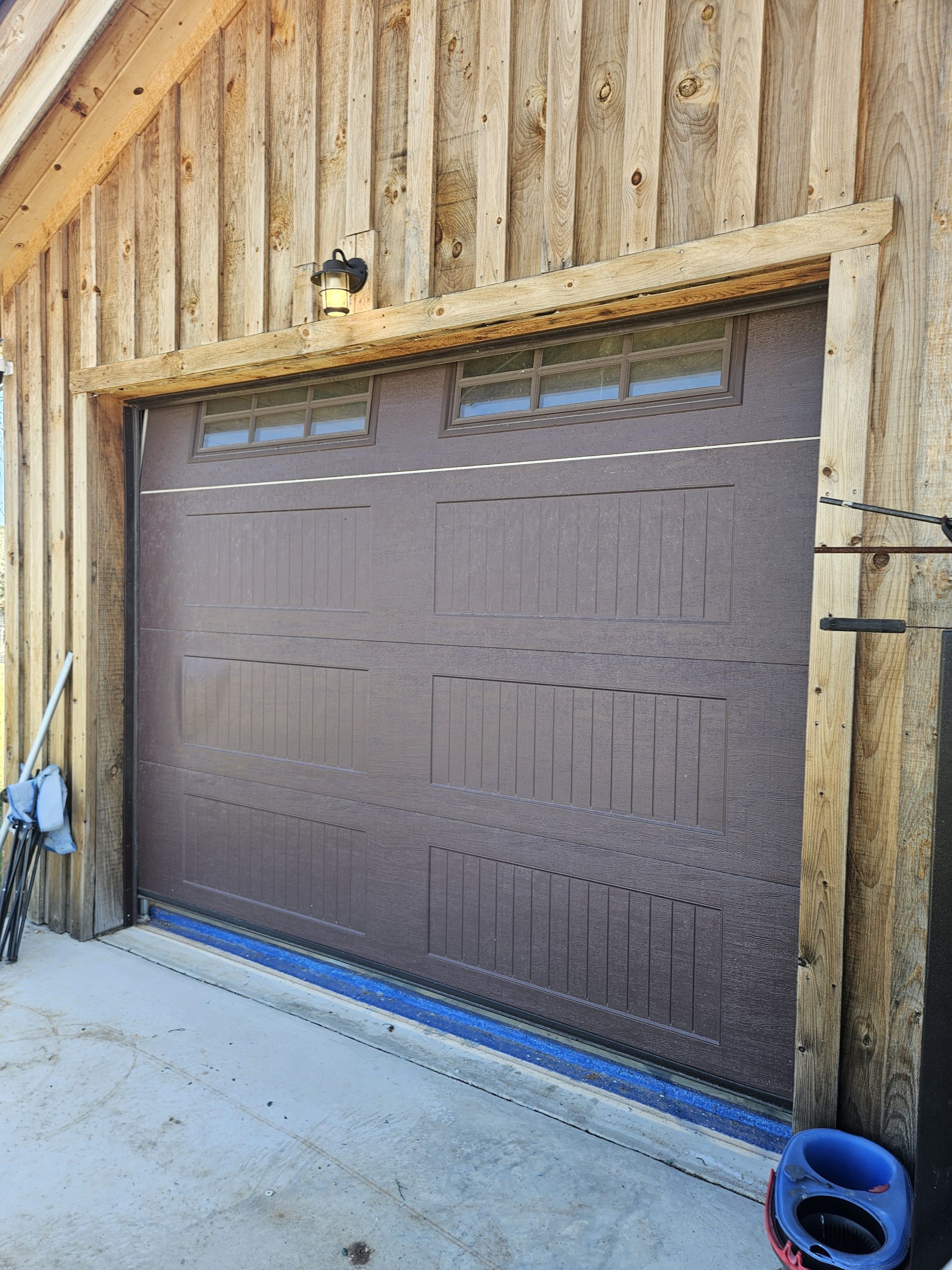
Discovering a gap under your garage door can be frustrating. Not only does it compromise your home’s energy efficiency by allowing drafts, but it also invites pests, dust, and moisture into your garage. More critically, it can weaken your home’s security. Identifying the root cause of the gap is the first step toward a lasting solution. In the accompanying image, a blue material appears to be a temporary measure to seal a gap, indicating an underlying issue with the door’s bottom seal or the floor’s levelness.
Identifying the Gap Under Your Garage Door
Before you can fix a gap, you need to accurately assess its size and location.
Visual Inspection
Start by visually inspecting the entire bottom edge of your garage door when it’s fully closed. Look for visible light coming through from the outside, or any obvious signs of wear or damage to the bottom seal (also known as weatherstripping).
The “Light Test”
For a more definitive test, turn off the lights in your garage during the day and close the door. Look for any light seeping in from under the door. A flashlight can also be used from the inside, shining it along the bottom edge to see where light escapes to the outside.
Common Causes of Gaps Under Garage Doors
Several factors can contribute to gaps forming under your garage door:
Worn or Damaged Bottom Seal (Weatherstripping)
The most frequent culprit is a worn, cracked, or hardened rubber or vinyl seal at the bottom of the door. Over time, exposure to elements and repeated compression can cause the seal to lose its flexibility and effectiveness, creating gaps.
Uneven Concrete Floor or Driveway
If your garage floor or driveway has settled or cracked, it can create an uneven surface that the garage door cannot fully seal against. This is a common issue, especially in older homes or areas with unstable soil.
Misaligned Garage Door
A garage door that is off-track or improperly aligned will not sit flush with the ground. This can be caused by loose hardware, bent tracks, or issues with the door’s lifting cables and springs.
Loose or Damaged Hardware
Rollers, hinges, or other hardware components that are loose, bent, or broken can prevent the door from closing properly, leading to gaps. These issues often manifest as uneven movement or scraping sounds.
Incorrect Door Installation
Sometimes, a gap can be present from the beginning if the garage door was not installed correctly. This might involve improper track alignment, incorrect limit switch settings, or an unsuitable bottom seal for the specific floor conditions.
Solutions for Sealing Gaps Under Your Garage Door
Addressing gaps requires careful diagnosis and, often, professional intervention.
CRITICAL SAFETY RULE: For your safety, never attempt to repair garage door springs, cables, or heavy panels yourself. These components are under extreme tension and can cause severe injury or death if mishandled. Always contact a qualified garage door professional for any repairs involving these parts.
Replacing the Bottom Seal
If the bottom seal is the issue, it can be replaced. This involves removing the old seal and sliding a new one into the retainer channel at the bottom of the door. While seemingly straightforward, ensuring the correct type and size of seal is used, and that it’s installed properly for an effective seal, can be tricky. A professional can ensure a perfect fit and seal.
Addressing Uneven Surfaces
For uneven concrete, solutions range from applying a concrete patch or self-leveling compound to installing a threshold seal on the garage floor. A threshold seal is a rubber strip glued to the floor that creates a barrier for the door to seal against. This is a common and effective DIY solution for minor floor irregularities.
Professional Door Alignment
If the door is misaligned, a professional technician can adjust the tracks, rollers, and cables to ensure the door closes evenly and makes full contact with the floor. This is a critical repair that should only be performed by an expert due to the high tension involved.
Adjusting Limit Switches
The opener’s limit switches tell the door when to stop opening and closing. If the close limit switch is set too high, the door may not fully descend, leaving a gap. Adjusting these settings can resolve the issue, but it’s best done by a professional to avoid over-stressing the opener or causing other operational problems.
Causes vs. Solutions
| Cause of Gap | Recommended Solution |
|---|---|
| Worn/Damaged Bottom Seal | Replace with new weatherstripping (DIY possible, professional recommended for best seal) |
| Uneven Concrete Floor | Install a garage door threshold seal or apply concrete patch (DIY possible) |
| Misaligned Door/Tracks | Professional garage door alignment and track adjustment (Professional ONLY) |
| Loose/Damaged Hardware | Tighten or replace hardware (Minor DIY possible, professional for critical components) |
| Incorrect Opener Limit Settings | Adjust opener’s close limit switch (Professional recommended) |
Troubleshooting a Gap Under Your Garage Door
- Inspect the Bottom Seal: Look for cracks, tears, or flattened areas on the rubber or vinyl strip.
- Check for Light: With the garage lights off, look for daylight coming in under the closed door.
- Examine the Floor: Use a level to check if your garage floor is even where the door meets it.
- Listen for Sounds: Pay attention to any scraping or grinding noises when the door operates, which could indicate misalignment.
- Test Door Movement: Carefully observe if the door moves smoothly or if it appears to bind or wobble as it closes.
A properly sealed garage door is essential for maintaining your home’s comfort, security, and energy efficiency. While some minor issues like installing a threshold seal can be tackled by a handy homeowner, any problem involving the door’s balance, alignment, or high-tension components like springs and cables absolutely requires the expertise of a professional garage door technician. Don’t compromise on safety or the longevity of your garage door system; always call an expert when in doubt.