
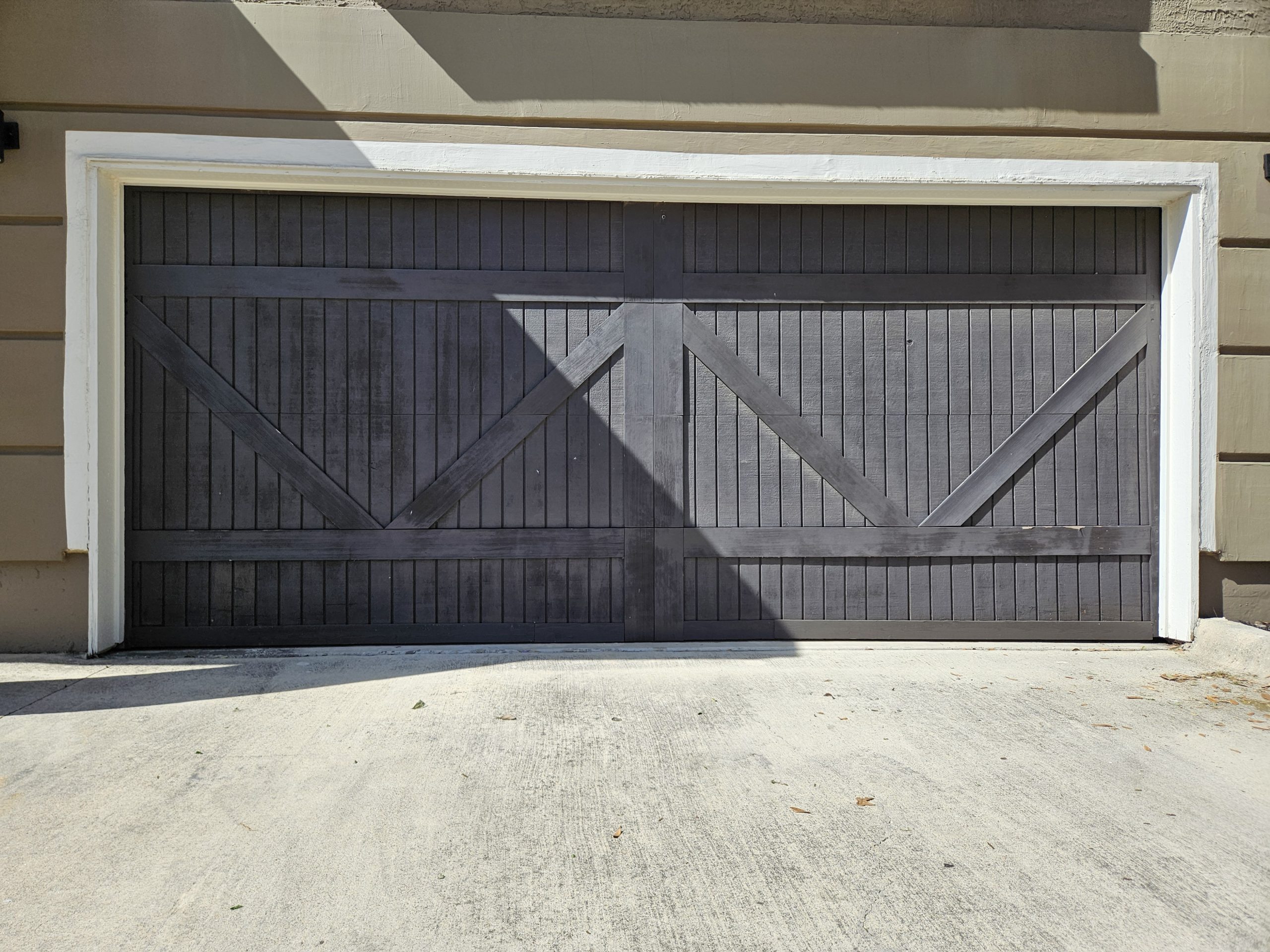
Why is there a gap under my garage door and how can it be fixed?
A gap under your garage door is a common issue that can lead to significant problems, including energy loss, pest intrusion, and reduced security. Causes range from a worn bottom weather seal, uneven concrete, or misaligned tracks to improperly set opener limit switches. Addressing this promptly is crucial, and due to the inherent dangers of garage door systems, professional diagnosis and repair are almost always recommended to ensure safety and proper function.
A properly sealed garage door is more than just an aesthetic feature; it’s a critical component of your home’s energy efficiency, security, and overall integrity. When a noticeable gap appears under your garage door, as seen in the provided image, it signals a problem that needs immediate attention. This seemingly minor issue can have far-reaching consequences, from increasing your energy bills to inviting unwanted pests into your home.
Common Causes of Gaps Under Your Garage Door
Understanding the root cause of the gap is the first step toward finding an effective solution. Several factors can contribute to this problem:
Worn or Damaged Bottom Weather Seal
The most frequent culprit is a worn, cracked, or torn bottom weather seal, also known as a garage door bottom seal or astragal. This rubber or vinyl strip is designed to conform to the floor, creating a tight seal when the door is closed. Over time, exposure to elements, friction, and general wear and tear can degrade this seal, causing it to flatten or break, thus creating a gap.
Uneven Garage Floor or Driveway
Even if your weather seal is in perfect condition, an uneven concrete floor or driveway can prevent the door from sealing properly. If one side of the floor is higher or lower than the other, or if there are dips and cracks, the door will not make consistent contact across its entire width, leaving a gap.
Misaligned Garage Door Tracks
The vertical and horizontal tracks guide your garage door’s movement. If these tracks become bent, loose, or misaligned, the door may not descend evenly or fully, resulting in a gap at the bottom. Misalignment can be caused by impacts, loose fasteners, or improper installation.
Improperly Set Garage Door Opener Limit Switches
Garage door openers have limit switches that tell the door when to stop opening and closing. If the down-limit switch is set too high, the opener will stop the door’s descent before it fully closes, leaving a gap. Conversely, if set too low, it can put undue stress on the opener and door.
Damaged or Bent Garage Door Panels
While less common for a uniform gap, a severely damaged or bent bottom panel can prevent the door from sitting flush with the ground. This often occurs due to impacts or structural issues with the door itself.
The Impact of an Unsealed Garage Door
Ignoring a gap under your garage door can lead to several undesirable outcomes:
- Energy Loss: Conditioned air (heated or cooled) can escape, and outside air can enter, leading to higher energy bills.
- Pest Infestation: Gaps provide easy entry points for insects, rodents, and other small animals seeking shelter.
- Water Damage: Rain, melting snow, and even sprinkler water can seep under the door, potentially damaging your garage floor, stored items, and even the door’s components.
- Reduced Security: A gap can compromise the security of your garage, making it easier for intruders to gain access or tamper with the door’s locking mechanism.
Troubleshooting a Gap Under Your Garage Door
Before calling a professional, you can perform a few simple checks:
- Inspect the Weather Seal: Visually examine the rubber or vinyl seal along the bottom edge of the door. Is it cracked, flattened, or missing sections?
- Check Floor Levelness: Use a long level or a straight edge to see if your garage floor is even where the door closes.
- Observe Door Movement: Watch the door as it closes. Does it appear to be sticking or binding on one side?
- Test Opener Limits (with caution): If you suspect the opener limits, consult your opener’s manual. Small adjustments to the down-limit switch might resolve the issue, but proceed with extreme care.
Causes vs. Solutions
| Cause | Solution | Professional Recommendation |
|---|---|---|
| Worn Bottom Weather Seal | Replace the bottom weather seal. | Can be a DIY task for some, but professional installation ensures proper fit and seal. |
| Uneven Garage Floor | Install a threshold seal, or consider concrete leveling/repair. | Professional assessment for threshold seal type and concrete work is highly recommended. |
| Misaligned Tracks | Adjust or repair tracks. | Always requires a professional technician due to potential for door imbalance and safety risks. |
| Improper Opener Limits | Adjust the down-limit switch on the opener. | Professional adjustment is safest to prevent damage to the opener or door. |
| Damaged Door Panels | Repair or replace damaged panels. | Requires a professional technician due to the weight and structural integrity of the door. |
Why Professional Help is Essential
While some minor issues like a simple weather seal replacement might seem like a DIY project, most garage door repairs, especially those involving the door’s balance, tracks, or opener settings, are best left to certified professionals.
Safety Warning: Garage doors operate under extreme tension from springs and can weigh hundreds of pounds. Cables are also under immense tension. Attempting repairs without proper training and tools can lead to severe injury or even death.
CRITICAL SAFETY RULE: Never attempt to repair or adjust garage door springs, cables, or heavy door panels yourself. These components are under high tension and can cause catastrophic failure if mishandled. Always contact a qualified garage door technician to handle these repairs to prevent severe injury or death. Professionals have the specialized tools, knowledge, and experience to diagnose and fix issues safely and effectively, ensuring your door operates correctly and reliably.
A professional technician can accurately diagnose the cause of the gap, recommend the most effective solution, and perform the repair safely. They can also ensure that your garage door system is properly balanced and all components are working in harmony, extending the life of your door and opener.
Conclusion
A gap under your garage door is a clear signal that something isn’t right. Promptly addressing this issue is essential for maintaining your home’s energy efficiency, security, and protection against pests and water. While some initial troubleshooting can be done, the complexity and inherent dangers of garage door systems mean that professional intervention is almost always the safest and most reliable path to a lasting solution. Don’t compromise your safety or the integrity of your home; contact a qualified garage door technician today.